

Local articles
-
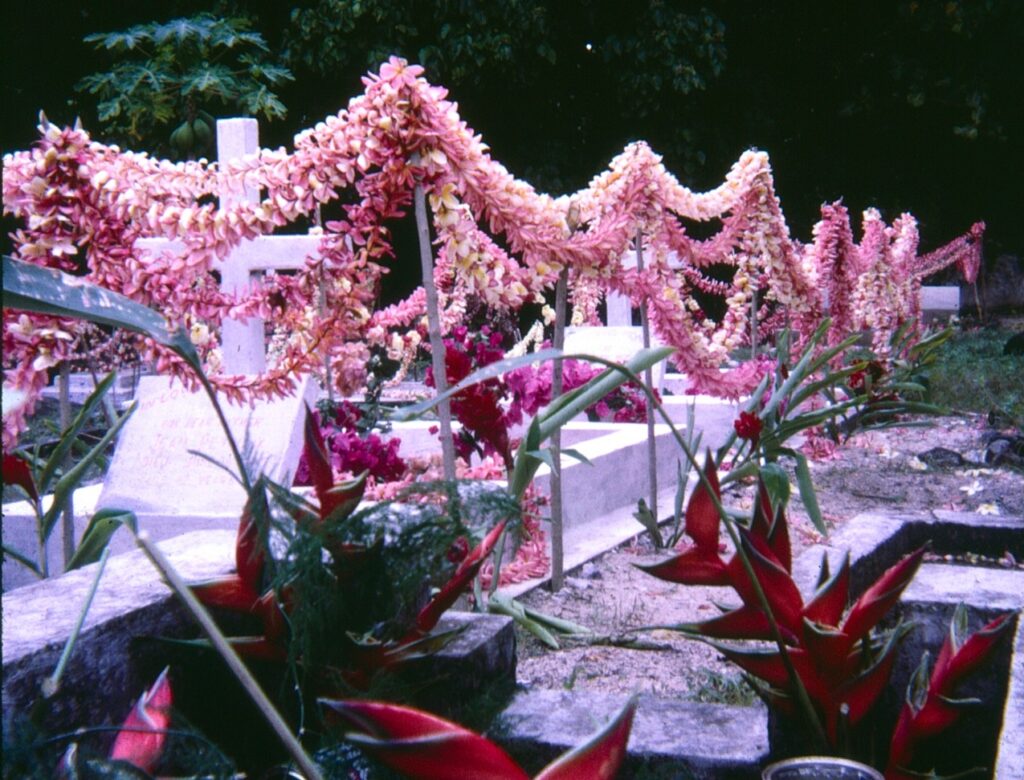
A grave concern
Photo: The way Turama was 60 years ago when we adopted our Constitution. All natural. Every year, as the first of…
-
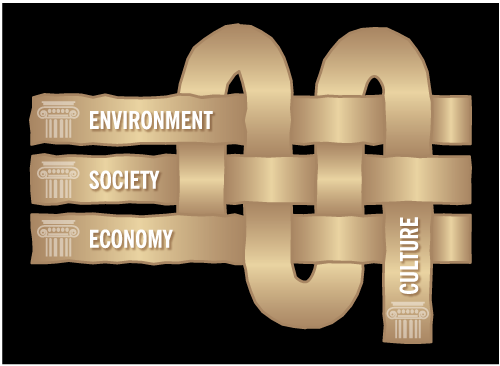
Sustainable development: A contradiction in practice
The phrase sustainable development suggests sensible progress — meeting today’s needs without harming the ability of future generations to meet theirs. This…
-
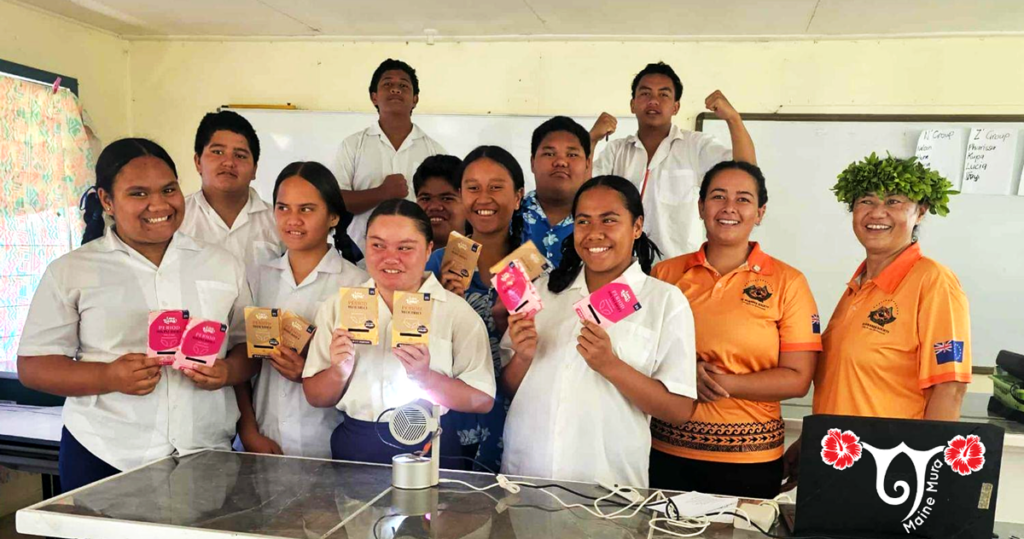
Teaching teens the value of reusable period products
Towards the end of September, Te Ipukarea Society’s Project Officer, Akeina (Ake) Tairea, together with Mary McDonald, led an interactive…
-
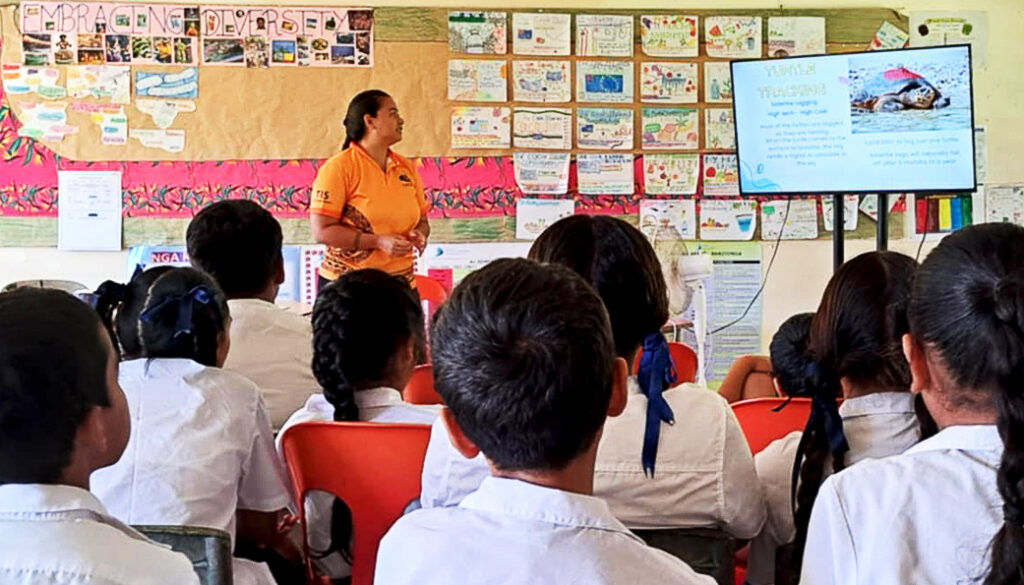
Citizen Science turtle tracking reaches the shores of Maʻuke
Te Ipukarea Society’s Project Officer Akeina Tairea had a valuable opportunity to work alongside Apii Maʻuke students to share more…
-
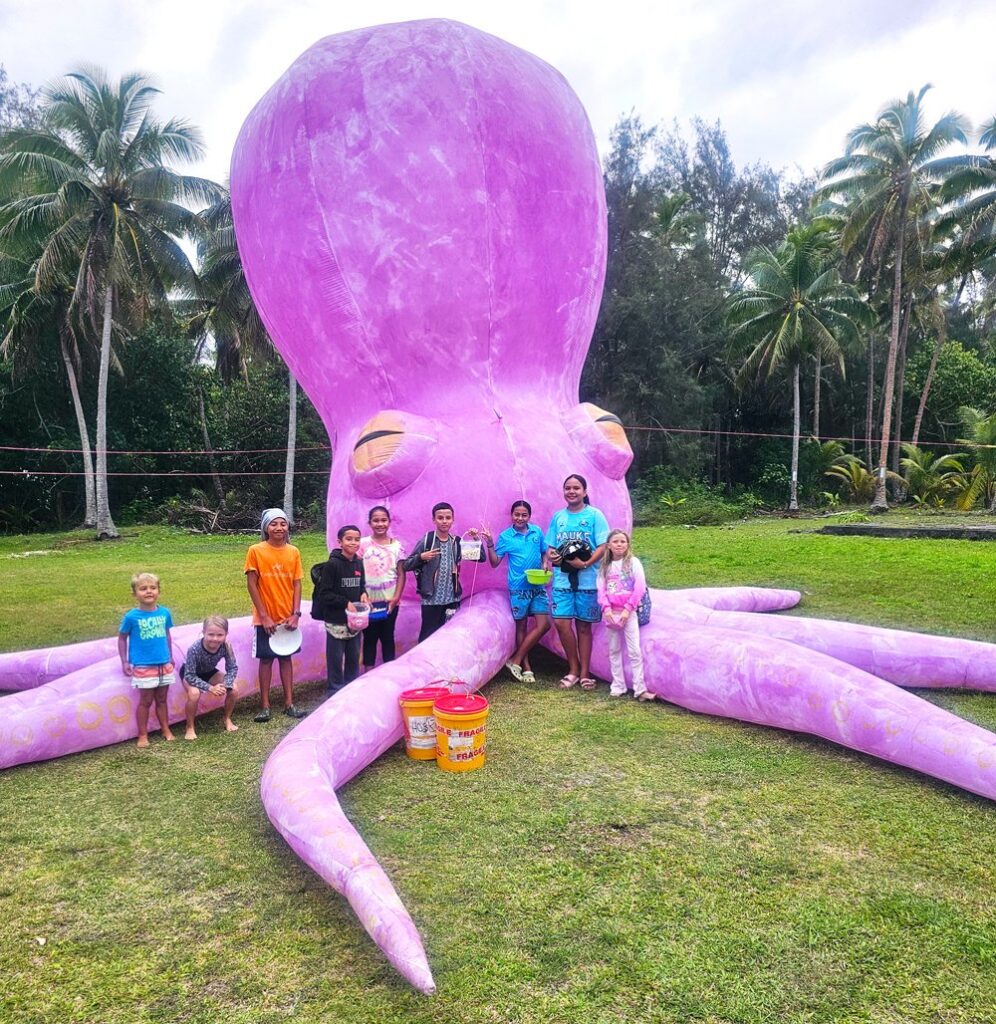
Maʻuke welcomes Tumu the octopus and raises awareness for ocean protection
Ma’uke community welcomed a unique visitor, Tumu, a large inflatable pink octopus with a powerful environmental message.
-
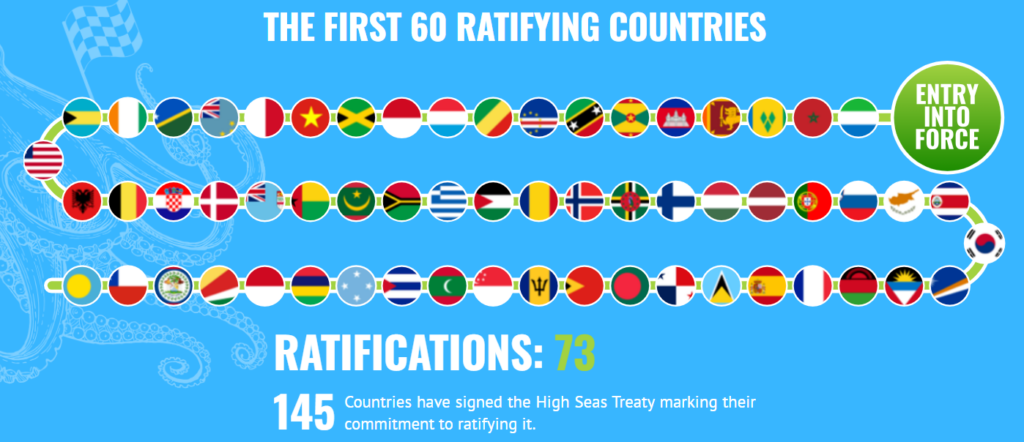
The Cook Islands’ journey towards protecting biodiversity in the High Seas
Last week, Morocco ratified the “Conservation and Sustainable Use of Marine Biological Diversity of Areas Beyond National Jurisdiction Treaty”. That…
-
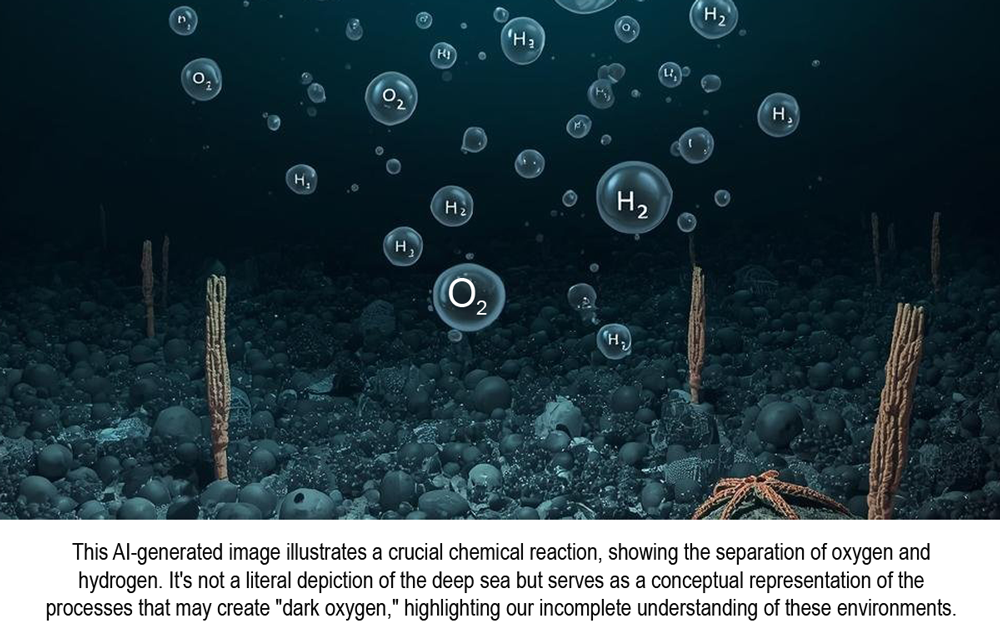
The dark truth about the deep sea. Why we need a mining moratorium
The deep sea is sometimes viewed as a barren wasteland. However, a recent discovery, the production of ‘dark oxygen’, is…
-
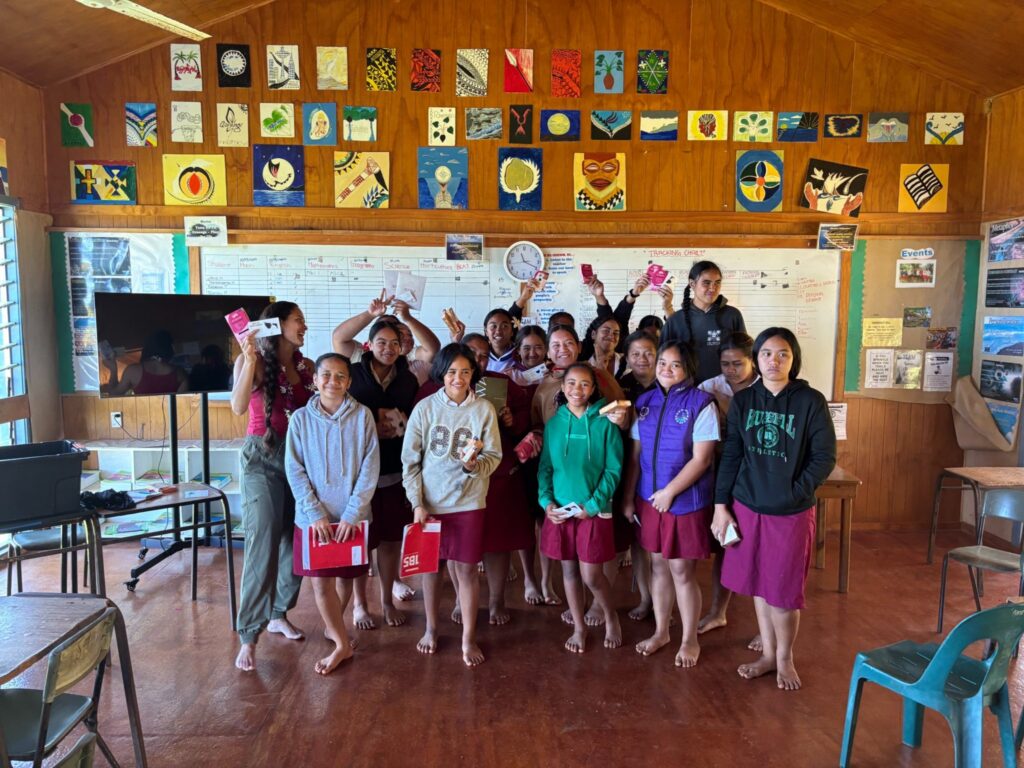
Reusable hygiene products for a healthier environment and future
Te Ipukarea Society has kick started again, a holistic women’s health and environmental educational programme, with its most recent outreach…
-
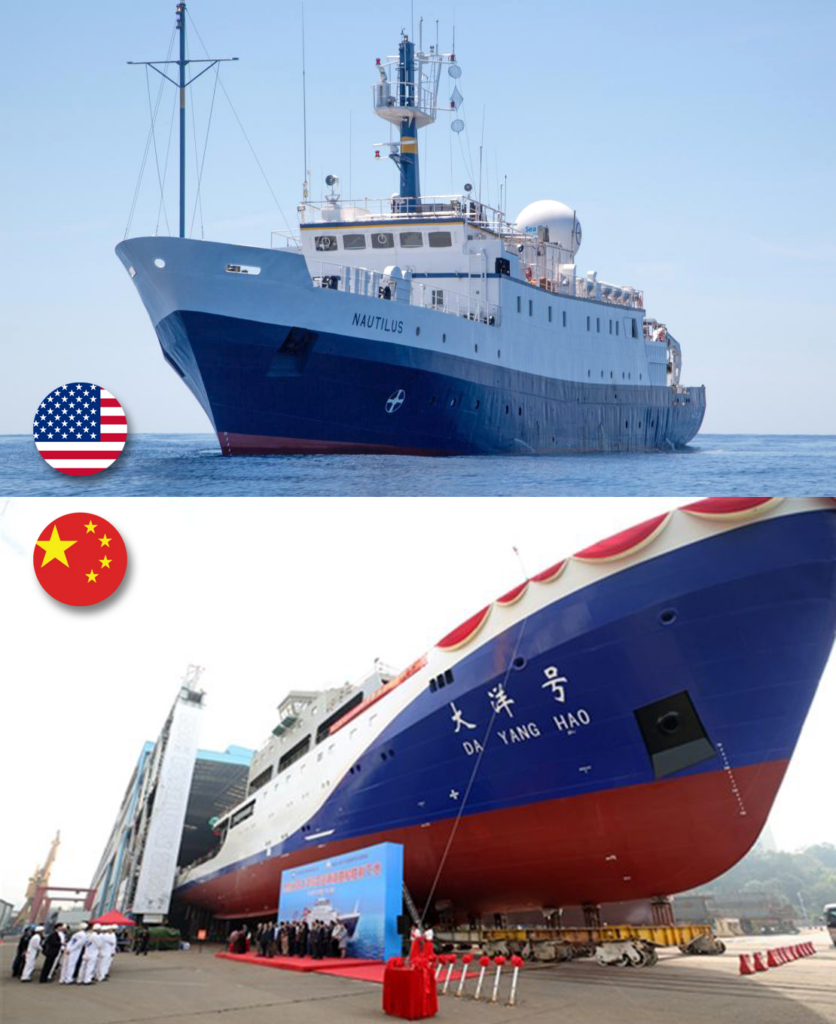
Seabed mining in the Cook Islands: Playing with the big boys
The Cook Islands has an enormous amount of valuable minerals, contained in what are known as polymetallic nodules, on its…
-
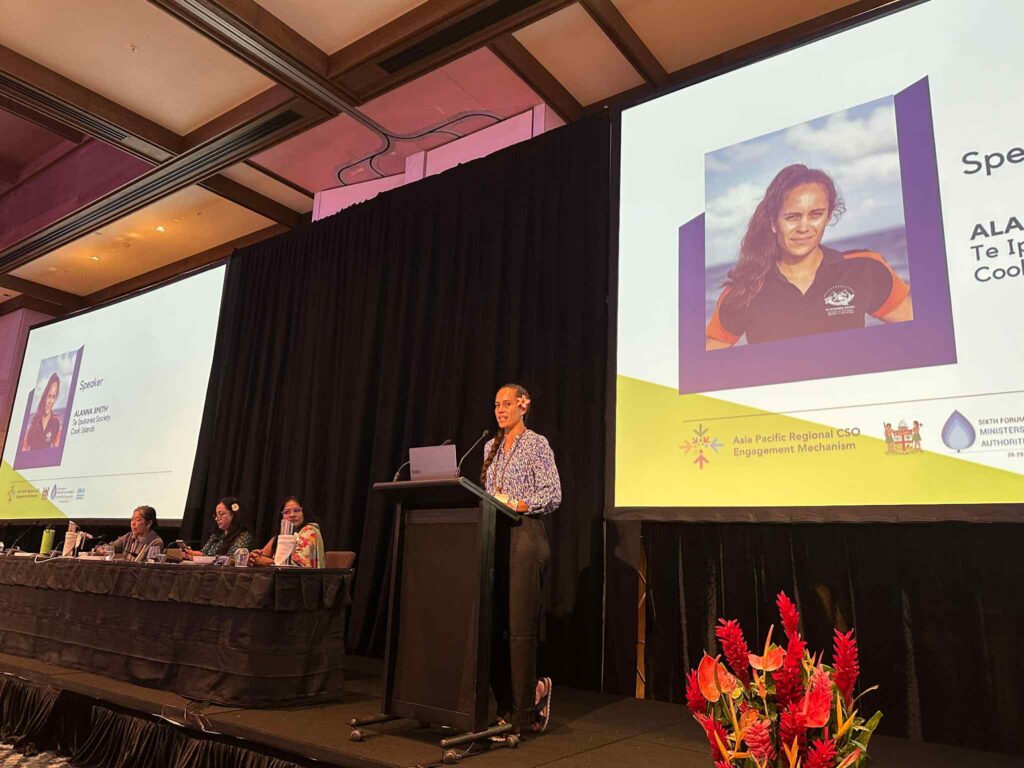
Te Ipukarea Society speaks out at regional United Nations environment meeting
This past week Alanna Smith, director of Te Ipukarea Society, attended the United Nations Environment Program (UNEP) Major Groups and…
-

Empowering communities: Sharing seabird monitoring techniques
A new seabird monitoring initiative, Manu Tai o te Kūki ʻĀirani, launched earlier this year to better understand the presence of…
-
Mana Tiaki: Our heritage, our stand, our future
The Cook Islands’ recent agreements with China and the United States to conduct deep-sea mining research are not a pathway…