Cook Islands youth strengthen Pacific ties through Hawaiʻi cultural and conservation exchange
A group of young Cook Islanders began the year with a life-changing experience through the Moananuiākea Hawaiʻi Cultural and Conservation Youth Exchange Program, held on Hawaiʻi Island, locally known as Moku o Keawe. The exchange strengthened cultural identity, deepened environmental awareness, and reinforced long-standing connections between Indigenous communities of the Pacific.
The journey was made possible through strong community support, with the Atui’anga ki te Tango (AKTT) programme hosting a successful fundraiser at AROA Nui Hall. Families and supporters came together to raise funds for twelve students to attend, reflecting a shared belief in investing in youth, culture, and future leadership.
In total, fifteen students and five leads participated in the exchange. Twelve students were selected throughout the country via a Kōrero o te ‘Orau panel process led by Dr Teina Rongo (Chairperson) Rangi Johnson (Vice Chairperson) and Nicolea Mateariki (Programme Lead and Cultural Leader). Students were from Rarotonga, Atiu and Pukapuka where the AKTT programme is established. An additional three students were selected by Te Ipukarea Society for their outstanding achievements in culture and language, under the leadership of Alanna Smith.
“We were inspired by the chance for our youth to learn, lead, and grow through exchange opportunities like this”, said Smith. “Especially with like-minded partners in Hawaiʻi who share similar values of care for our land and ocean. Meitaki maata to Te Ipukarea Society’s sponsors the US Embassy Auckland for providing this opportunity”
The six-day programme was developed by Kanaeokana, an Hawaiʻi-based collaborative network of indigenous schools and cultural and conservation education partners. The Cook Islands youth took part in a full and immersive schedule, engaging with local indigenous schools, exploring diverse landscapes, and learning about the unique biodiversity of Hawaiʻi.
One of the most significant sites visited was the active volcano Kīlauea, home of Pele, the Hawaiian goddess of volcanoes and fire. Standing more than 1,200 metres above sea level, the site also provided an opportunity to learn about traditional Hawaiian star constellations and navigation knowledge once used in long-distance ocean voyaging.
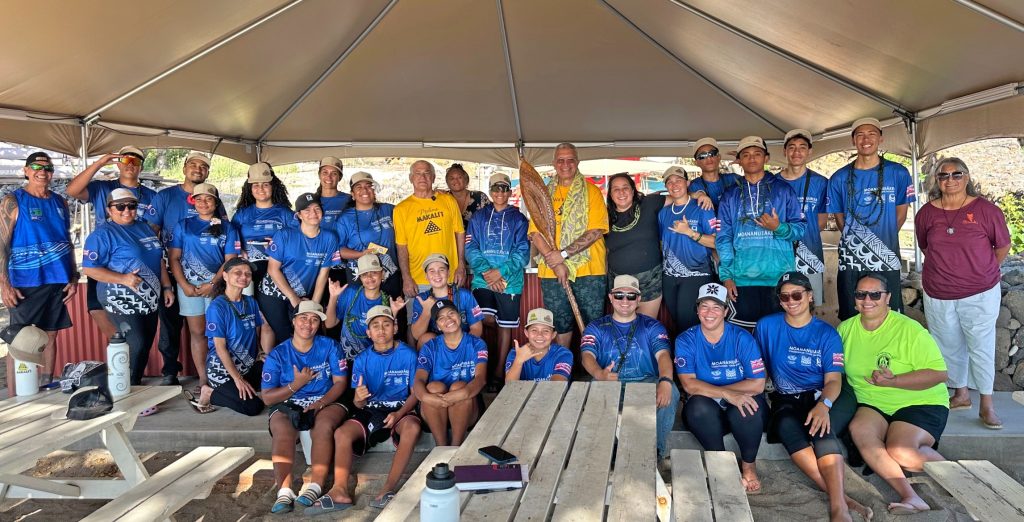
The group also met Pwo Navigator Chadd Paishon, current Captain of the voyaging canoe Makaliʻi. Paishon shared plans for Makaliʻi to make its first voyage to Rarotonga within the next four years, sparking excitement and strengthening connections between voyaging communities of the Pacific.
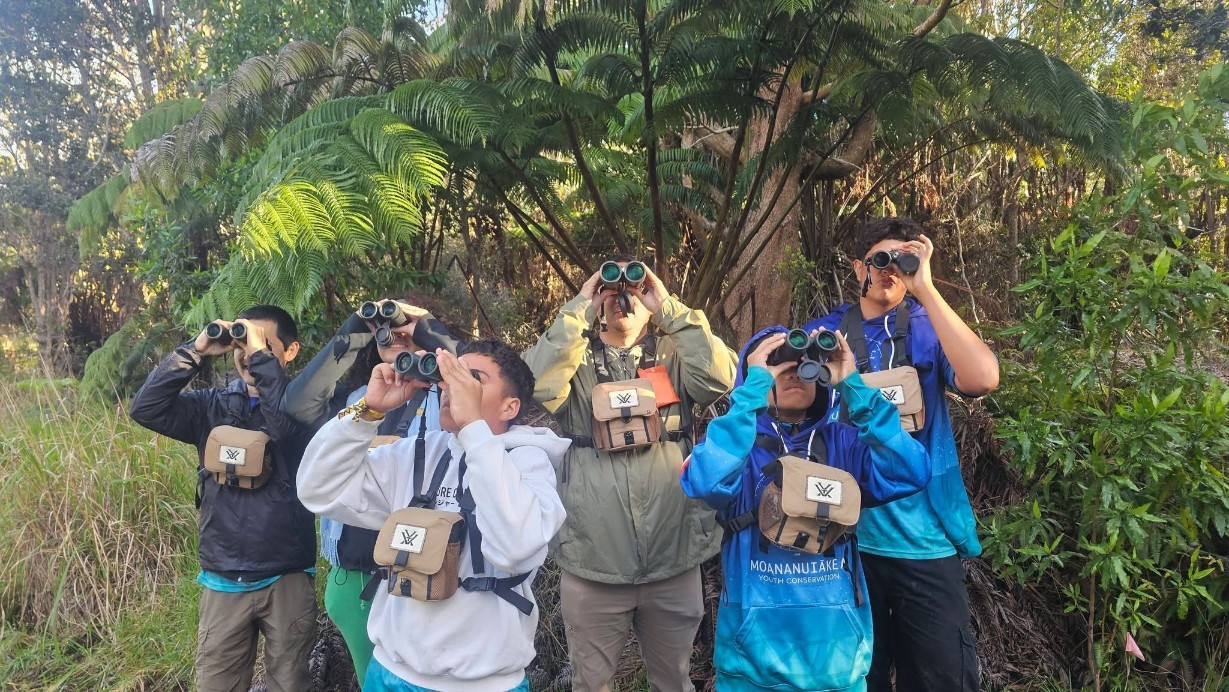
A key conservation highlight was a visit to the Keauhou Bird Conservation Center, which shares similar goals to the Takitumu Conservation Area in Rarotonga. The centre focuses on protecting some of the rarest forest birds in Hawai‘i, including the ʻAlalā (Hawaiian crow), Palila, ʻAkekeʻe, and ʻAkikiki. These endemic species came close to extinction due to mosquito-borne diseases, introduced predators, and widespread habitat loss. Captive breeding and reforestation efforts are now underway to support their return to the wild.
Cultural exchange was further strengthened through visits to Kamehameha High School, Kanu o ka ʻĀina Public Charter School in Waimea, and KaʻUmeke Kāʻeō Public Charter School in Keaukaha. Through shared song, dance, and storytelling, students gained insight into the similarities and unique expressions of Cook Islands and Hawaiian cultures.
“This exchange was a powerful reminder that our ocean connects us more than it separates us,” said Tevai Lopez of Kamehameha High School. “Seeing our Cook Islands and Hawaiʻi youth learn together through culture, language, conservation, and shared responsibility to ʻāina and moana reinforced the strength of our Pacific relationships and the future leaders rising from them.”
Cultural Programme lead Nicolea Mateariki described the experience as “Being incredibly special. To witness our youth connect so deeply with culture, language, and indigenous knowledge beyond our shores was powerful. The experiences they gained in Hawaii strengthened their sense of identity and reminded them of who they are and where they come from. This exchange was more than a trip. It was a foundation for their future, and I am so proud of every student who took part.”
Overall, the Moananuiākea Youth Exchange Program offered an extraordinary opportunity for Cook Islands youth to grow as leaders grounded in culture, language, and environmental stewardship. As they return home, the lessons and relationships formed through this exchange are expected to shape their contributions to their communities and the wider Pacific for years to come.