Protect Marine Ecosystems
From its roots in 1996 Te Ipukarea Society (TIS) has recognised that waste was quickly becoming a major problem in the Cook Islands. In 2026 we were happy to become part of the “Protect Marine Ecosystems in PSIDS* with a Focus on National and International Plastic Regulations” project that will run until December 2028 across Fiji, Palau and the Cook Islands. This project is led by Health and Environment Justice Support (HEJSupport).
Select the link to learn more about the project background, coordination, countries and teams involved, studies, and Plastics Treaty Negotiations – PSIDS-Plastic
*PSIDS is Pacific Small Island Developing States
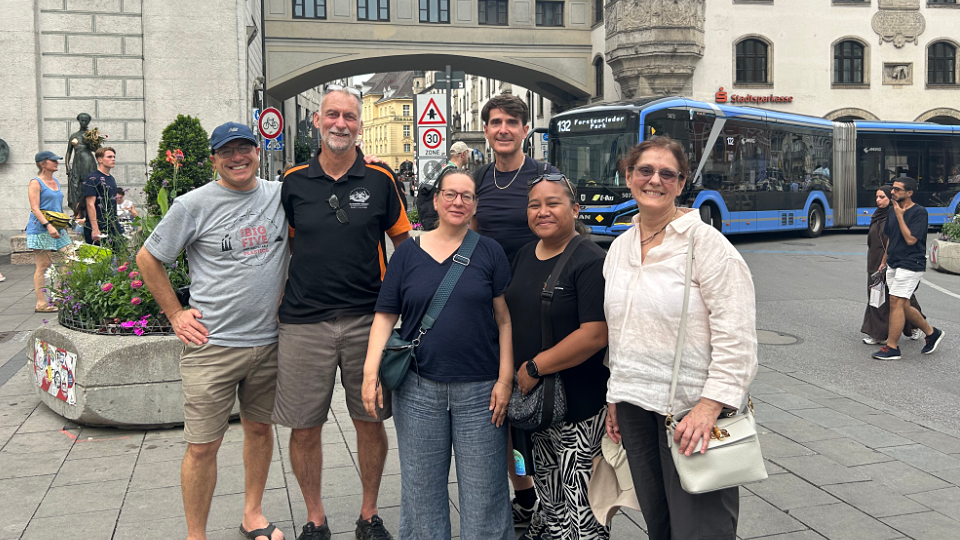
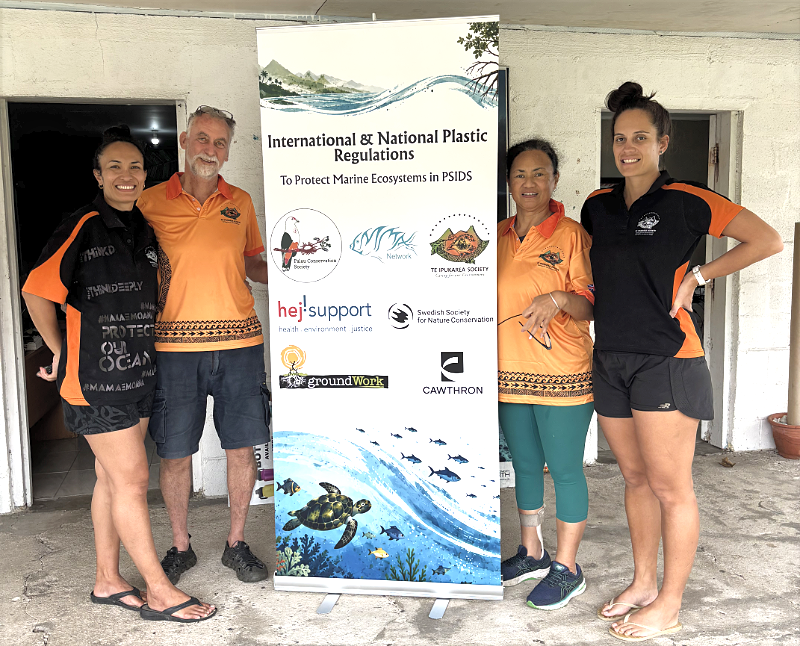
Meet the team from Te Ipukarea Society – Sieni Tiraa-Ivaiti, Kelvin Passfield, Mary McDonald, and Alanna Matamaru-Smith
National Environment Service (NES) collaboration
The National Environment Service is identified as a core political partner and will play a central role throughout the project. Collaboration is envisioned in the following areas:
- Policy development and legal reform: Joint legislative gap analyses and co-development of policy recommendations and regulations
- Technical engagement: Providing national data, insights, and feedback to ensure alignment with national priorities
- Workshops and consultations: Participation in national and regional multi-stakeholder workshops and decision-making processes
- Ongoing coordination: Regular meetings, technical exchanges, and shared planning mechanisms to support implementation
This partnership approach is designed to ensure strong national ownership, alignment with existing frameworks such as the National Environment Policy, and effective implementation of sustainable, enforceable solutions.
Key challenges in the Cook Islands
As a widely scattered group of islands with limited local resources, the Cook Islands face unique challenges—including the visible impact of marine debris on all our beaches. Most of this waste, particularly plastic, originates far from our shores; it is carried from other countries or shipping lanes by ocean currents eventually polluting our coastlines. Much of this is beyond our control, making it more important to educate and apply solutions where we do have influence and choice.
- Heavy dependence on imported plastic goods and packaging
- Limited recycling and waste management infrastructure, especially in the Pa Enua
- Leakage of waste into marine and coastal environments
- Fragmented or evolving regulatory frameworks, despite recent progress such as the Solid and Hazardous Waste Bill and single-use plastic bans
While important policy advances are underway—including bans on selected single-use plastics and the development of an Advance Recovery and Disposal Fee (ARDF) scheme—challenges remain around implementation, enforcement, and public awareness.
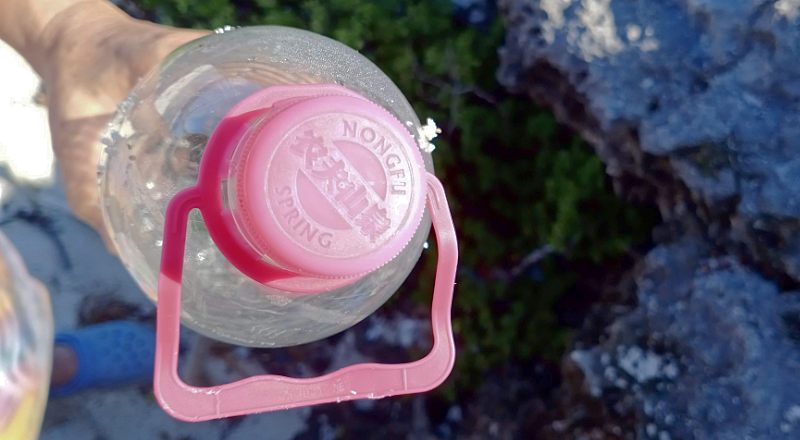
Photo: An empty Nongfu Spring (Chinese brand) bottle washed up on the shores of Ma’uke. Found in the 2026 new year along with other bottles and plastic debris like toothbrushes, bottle tops, ropes, and broken plastic.
Objectives and expected outcomes
Although the challenges are great and complex, the project aims to:
- Strengthen national legislation and policies to reduce plastic use and pollution
- Support the development of Extended Producer Responsibility (EPR), reuse systems, and improved import controls
- Enhance capacity of government, NGOs, and stakeholders to implement effective solutions
- Amplify PSIDS voices, including the Cook Islands, in global plastics negotiations
- Promote inclusive, community-driven approaches involving women, youth, and Indigenous communities
Through this work over three years, the expected outcomes are:
- Strengthened and enforceable plastic management policies and regulations
- Improved systems for waste reduction, reuse, and recovery
- Enhanced institutional and technical capacity within NES and partners
- Increased community awareness and participation in sustainable practices
- Stronger national representation in regional and global environmental governance
Some activities
Beyond the work that happens behind the scenes, public events are essential for educating, identifying and developing achievable solutions to the plastic crisis—especially as it applies in our local context. It is important for Cook Islanders to understand the crisis and feel a part of, and so take ownership for, the solution. Following are some key examples:
Tere Apii’anga 2026 – educating youth
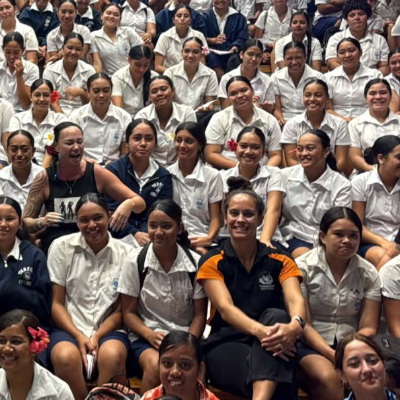
Educating today’s youth is a core focus for TIS, helping them gain a deeper understanding of their world so they can grow into adults who make wise consumer choices.
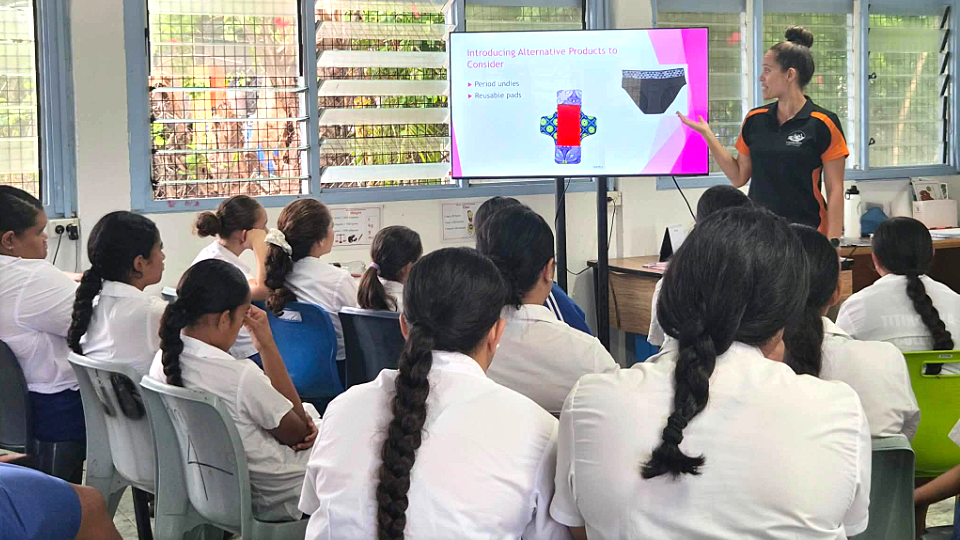
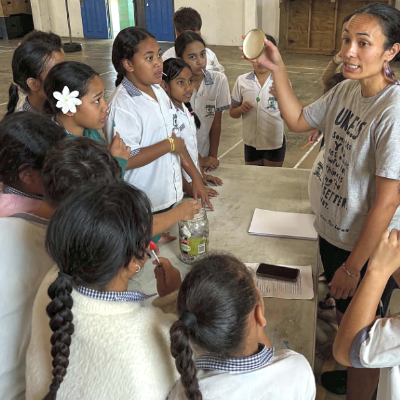
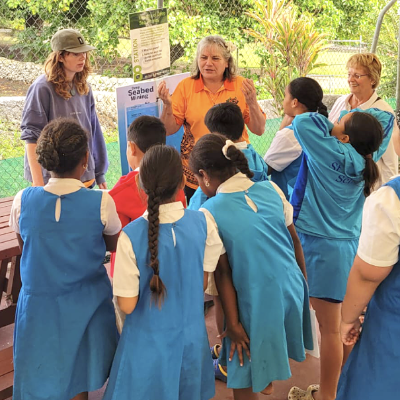
Driven by this passion, TIS partnered with Kōrero o te ‘Ōrau and Ocean Toa to host Tere Apiianga. This multi-day, school-based programme centered on the theme Oraʻanga Moana to tatou ia ora | Ocean life is our life. At one of the learning stations, Sieni taught children about the lifecycle of plastic, where it originates, and challenged them to consider and propose alternatives we could use in the Cook Islands. Check out videos from this event:
Tere Apii’anga plastic pollution and TIS Tere Apiianga Short Doco
Multi-stakeholder meetings – exploring plastic solutions
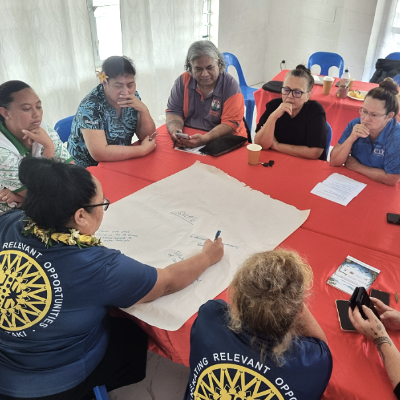
In September, the first of three multi-stakeholder meetings was held on Rarotonga. The purpose was to brainstorm and discuss current plastics initiatives, implementation of legislation, development of the National Action Plan for Plastics, waste-management constraints, and opportunities to reduce single-use plastics. Participants also explored the affordability and availability of alternatives and the need for stronger cooperation across sectors.
Two more meetings are scheduled for Aitutaki and Mangaia before the end of 2026.
After these meetings the feedback and ideas will be collated in order to prioritise our focus and work towards implementation.
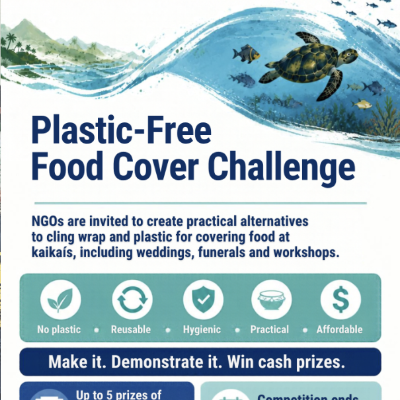
Creative competitions
There are multiple practical reasons why competitions work. For example they,
- create noise—people talking to people about the topic.
- generate creativity and energy as people get involved. Involvement means looking at something in a different way, which begins the process of normalising a shift in thinking and, hopefully, that is followed by a shift in behaviour.
- could trigger tapping back into our culture – our traditional ways of doing things, before plastic existed or became so prevalent here.
- has the potential to generate entrepreneurship around locally appropriate solutions that were/are community led.
The first competition was with the many children who attended Tere Apii’anga. The children were asked to come up with solutions for items like plastic plates, drink bottles, food wrapping etc. Many ideas were as you might expect, eg reusable plates and bottles, wood or metal cutlery. But some children pondered a bit further, “What do we think our grandparents used before plastic was made?”
We continue with ideas for a more hands on tangible non-plastic solution to food covering.
Articles
Every Saturday, Te Ipukarea Society shares an opinion piece in the Cook Islands News, covering local environmental challenges, wins, and community updates. Below are links to our plastic-focused articles from this past year—several of which sparked lively discussion, particularly across local tourism groups on Facebook.
More flights, more pressure
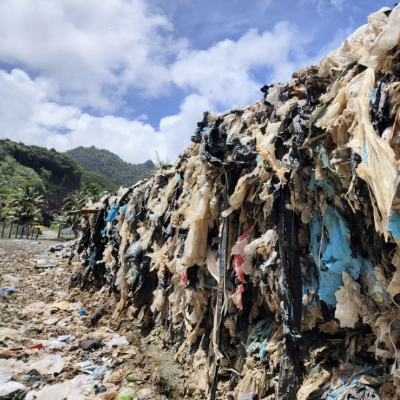
The burning question
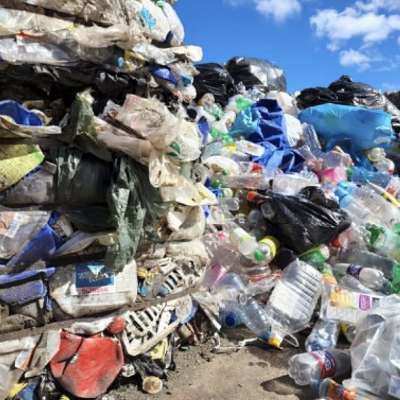
Tere Apii’anga – planting seeds
One period at a time
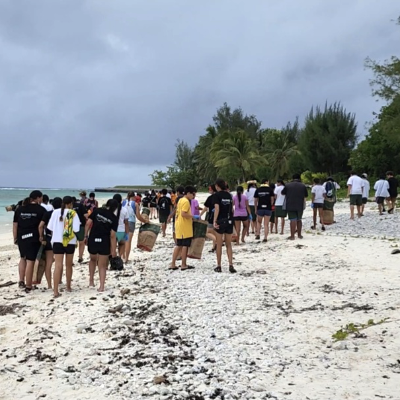
Every piece of plastics matters
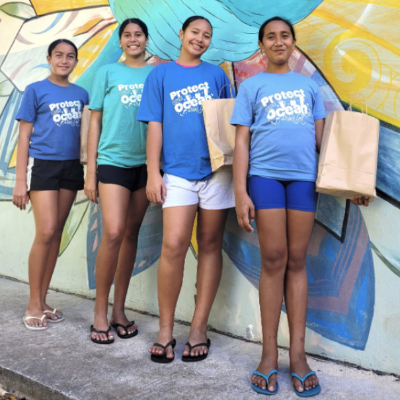
Competition inspires youth
Stakeholders unite
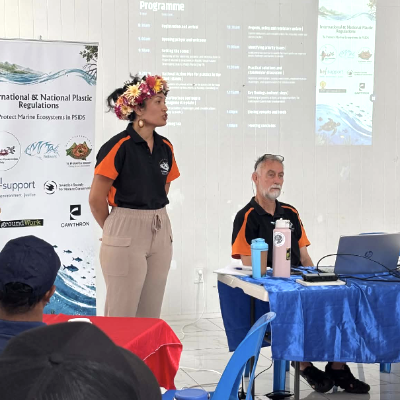
Image gallery


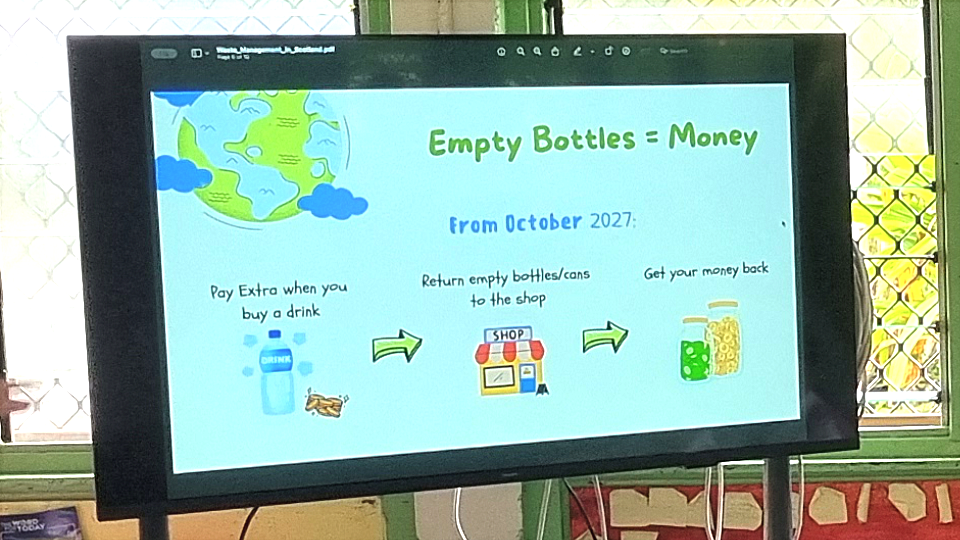
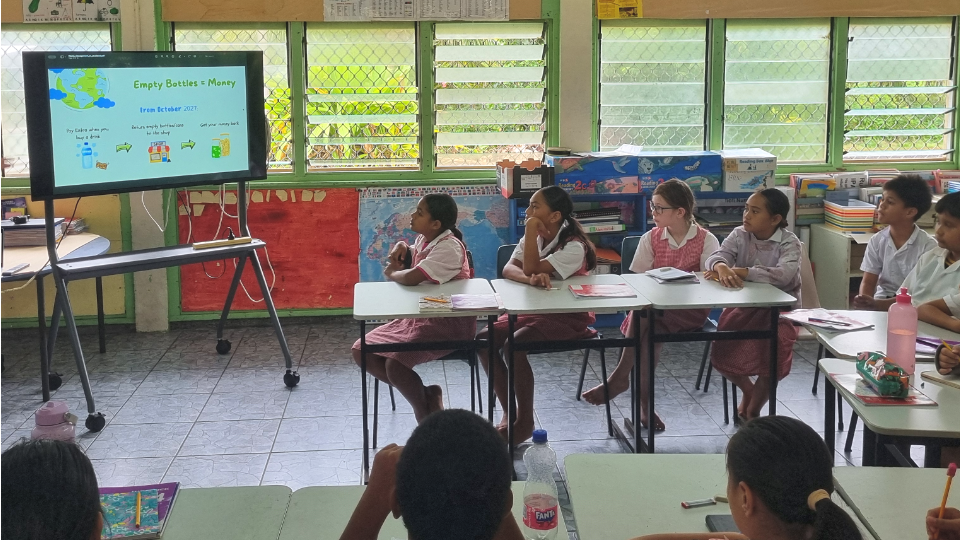


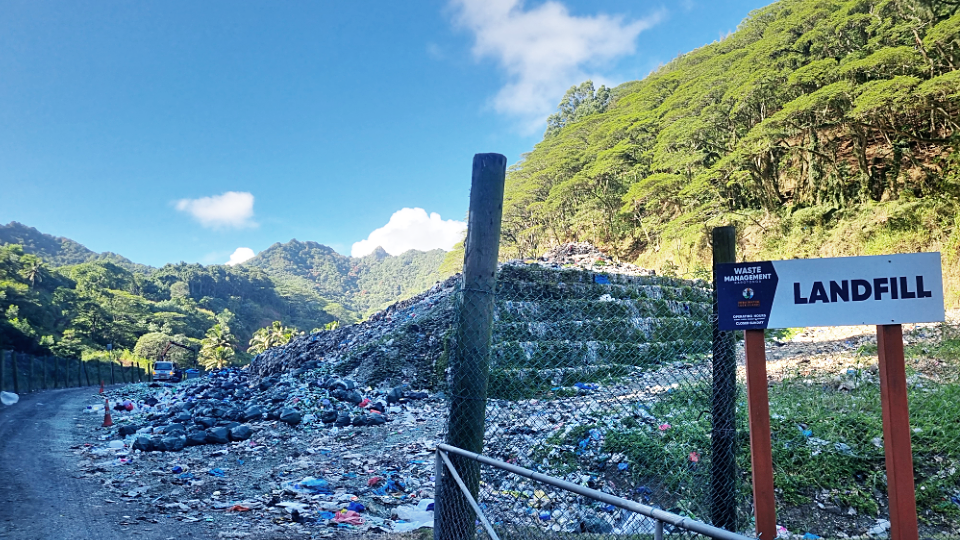
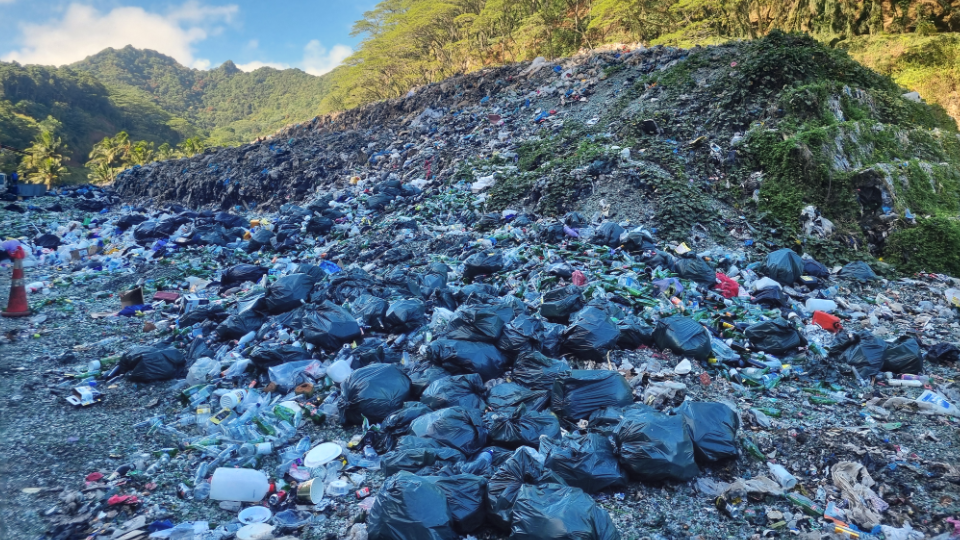
Grade 5 & 6 children were introduced to the Rarotonga landfill.