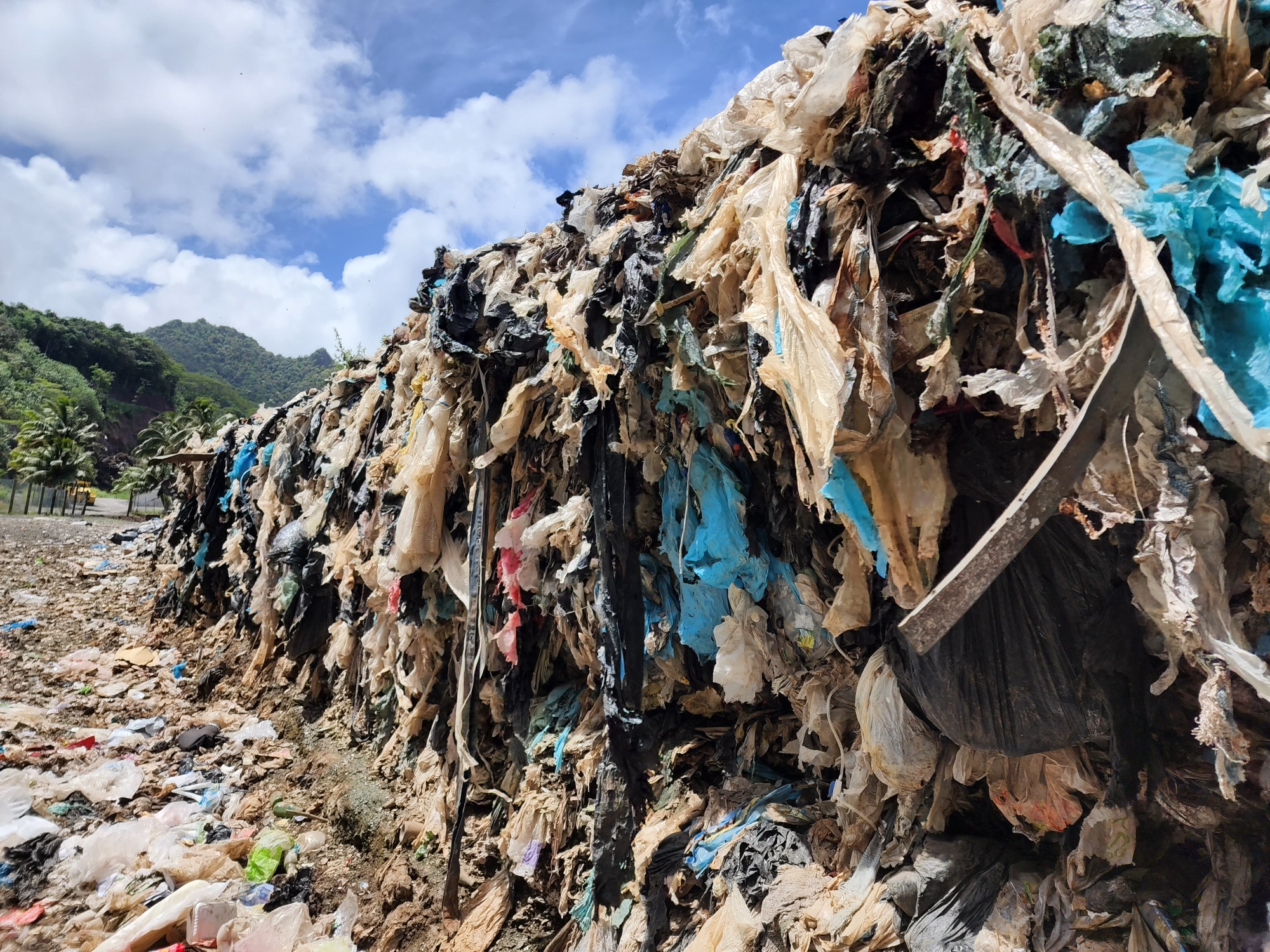
Photo: Plastic waste dominates our landfill
Tourism growth along with growing waste burden to our little paradise
The rapid growth in visitor arrivals, once considered a hallmark of success, is now viewed as an outdated measure within regenerative tourism models. However, the Cook Islands continue to prioritise arrival figures as a measure of success, as new air links open the door to increasing numbers of visitors. A new Jetstar service from Brisbane began in May 2026, while Air New Zealand is also operating Christchurch-Rarotonga flights during the peak season from May to October this year. These developments could push total visitor numbers beyond 200,000 per year. While this may appear as economic progress on paper, it carries significant environmental, social and cultural costs for a small island nation of fewer than 20,000 people. Although, tourism remains vital to our economy, it should not outpace our ability to manage the waste that it generates.
Every new flight and full resort translates into days of additional rubbish through packaging, takeaway containers, bottled drinks, nappies and other plastics that the people on our islands must collect, sort, store, ship, recycle, burn, bury or prepare to be shipped offshore at a cost to us. The impacts are visible. A recent South Pacific baseline study that included Rarotonga and Aitutaki found high levels of beach macrolitter, dominated by plastics. On Rarotonga, surveyed beaches recorded up to 57.7 items per 100 metres, with plastics making up 73–88% of litter; researchers identified single‑use items such as bottle caps, bottles and straws, including items linked to tourist accommodation areas. The waste audit from the Muri Beach Clean Up in 2024 reinforces this pattern, collecting 34 bags of general non‑recyclable waste such as dirty plastics, clothing, jandals and vapes. Alongside this, volunteers also removed 8 bags of PET plastic bottles, 4 bags of glass bottles, 4 bags of aluminium cans, and 2 bags of metal, highlighting both the scale and composition of waste close to our lagoon. This is a warning sign for our lagoon, our fisheries, and the visitor experience itself.
Government leaders and tourism promoters are quick to celebrate every new route, every arrival milestone and every forecast increase in visitor spending. But where is the same urgency for reducing waste imports, regulating single-use plastics, improving recycling, expanding composting, upgrading landfill management, or investing in stronger wastewater and public infrastructure? Parliament passed the Solid and Hazardous Waste Act nearly 11 months ago, which included an initial schedule of items to which an advanced recovery and disposal fee (ARDF, essentially a deposit scheme) was to be added to cover disposal/recycling costs. Yet this is still not being implemented. If tourism is truly the backbone of the economy, then protecting the environmental systems that support it should be treated as a national priority as well.
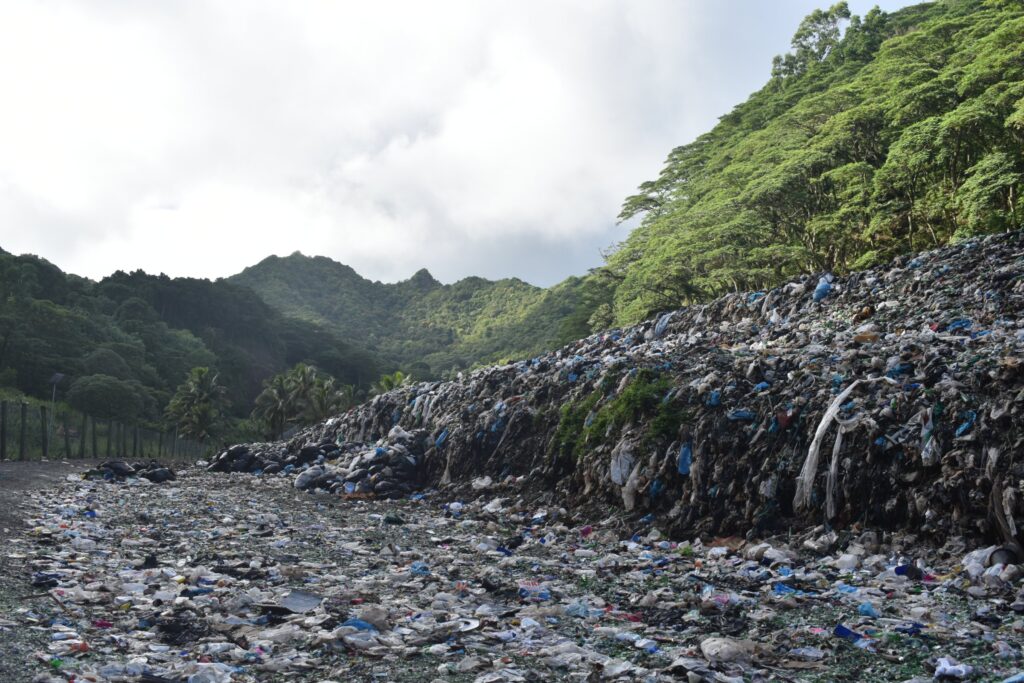
Photo: Rarotonga landfill (Photo credit Nanea Rose Bonacorsi)
The Cook Islands Destination Stewardship Plan (2026–2030) recognises these pressures. It points to a “waste infrastructure crisis with overflowing landfills” and calls for a shift to a circular economy that looks at reducing waste at source, expanding recycling and bottle return schemes, and phasing out single-use plastics.
But while the solutions are well defined, the means to deliver them are not. There is currently no dedicated, sustainable funding to implement these circular economy measures at the scale required. Without it, the risks identified in the Plan including plastic pollution, overburdened infrastructure, and environmental degradation will continue to escalate alongside visitor numbers. If tourism is to grow sustainably, the systems that manage its impacts must grow with it. Without adequate resourcing from the ARDF and the funding they are designed to generate the burden of waste will continue to fall on our environment and communities.
Therefore, we must ask: why are we opening new sources of tourism when we still cannot properly cope with the impacts of the tourists we already have? Even official and regional reports have acknowledged that the Cook Islands relies on a single landfill on Rarotonga that is at capacity, while tourism adds heavily to the solid waste entering the country. Much of what visitors consume is imported, over-packaged and used once before being dumped. On a small island with limited land, there is no such thing as waste going “away”. It stays here.
The Cook Islands needs to be honest about limits. More flights and more tourists may bring more money in the short term, but if they also bring more rubbish, more pollution and more pressure on island life, then the long-term cost will be far higher. Sustainable or regenerative tourism means setting boundaries, fixing infrastructure first and ensuring the environment is not sacrificed for another headline about growth. The Destination Stewardship is our promise to protect our paradise. That promise must show up in our practices, the back‑of‑house operations, and the rules we set for the products we import and the packaging we accept. If we market growth, we must fund and enforce the systems that keep our islands as the little paradise that we market.
Te Ipukarea Society calls for collective action from residents, businesses, the public sector, and visitors alike: reduce waste, choose reusables, refuse unnecessary packaging, and sort waste correctly. Furthermore, decision-makers must stop treating waste prevention and management as an afterthought – it is essential tourism infrastructure.