Category: News Articles
-
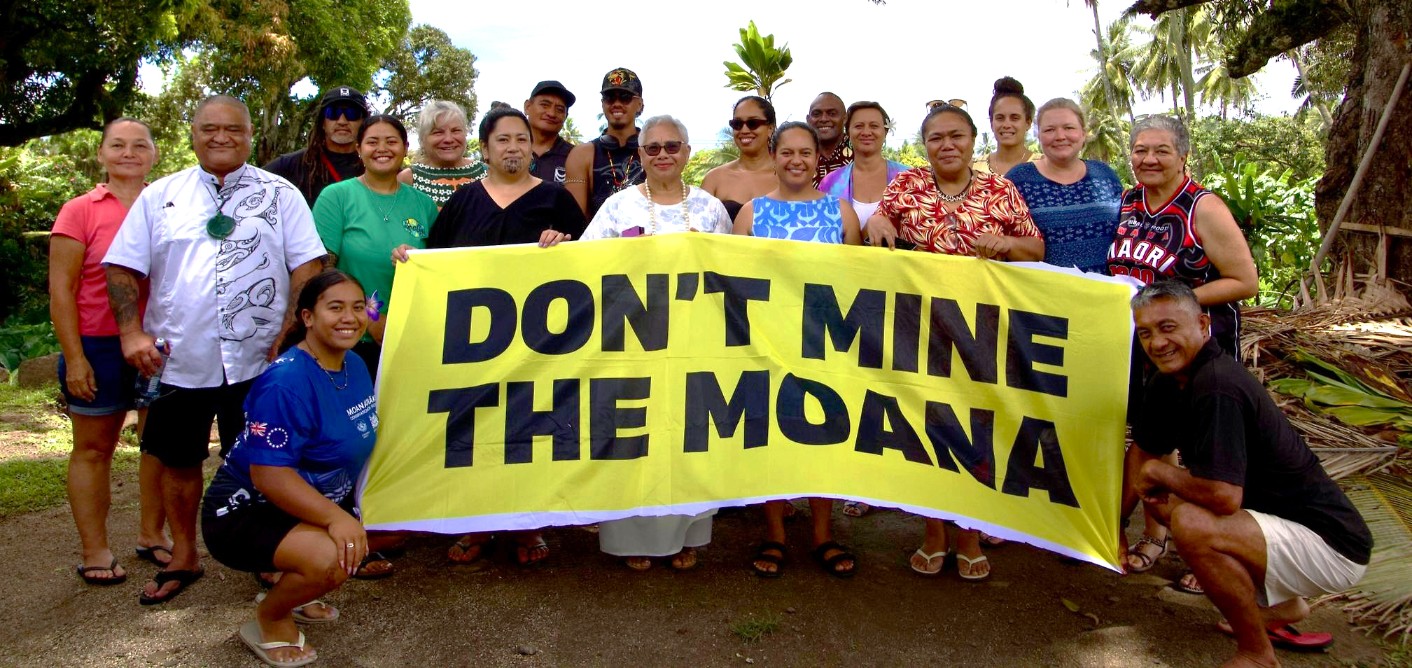
US seabed mining bid raises concerns for Cook Islands
A new attempt to authorise deep-seabed mining through United States domestic law could have far-reaching consequences for international ocean governance, Pacific states and the Cook Islands.
-
The cost of convenience: Ethics and AI in the Cook Islands
For remote communities when a digital tool’s supply chain causes environmental harm, human exploitation, and cultural erosion, what is our social responsibility?

-
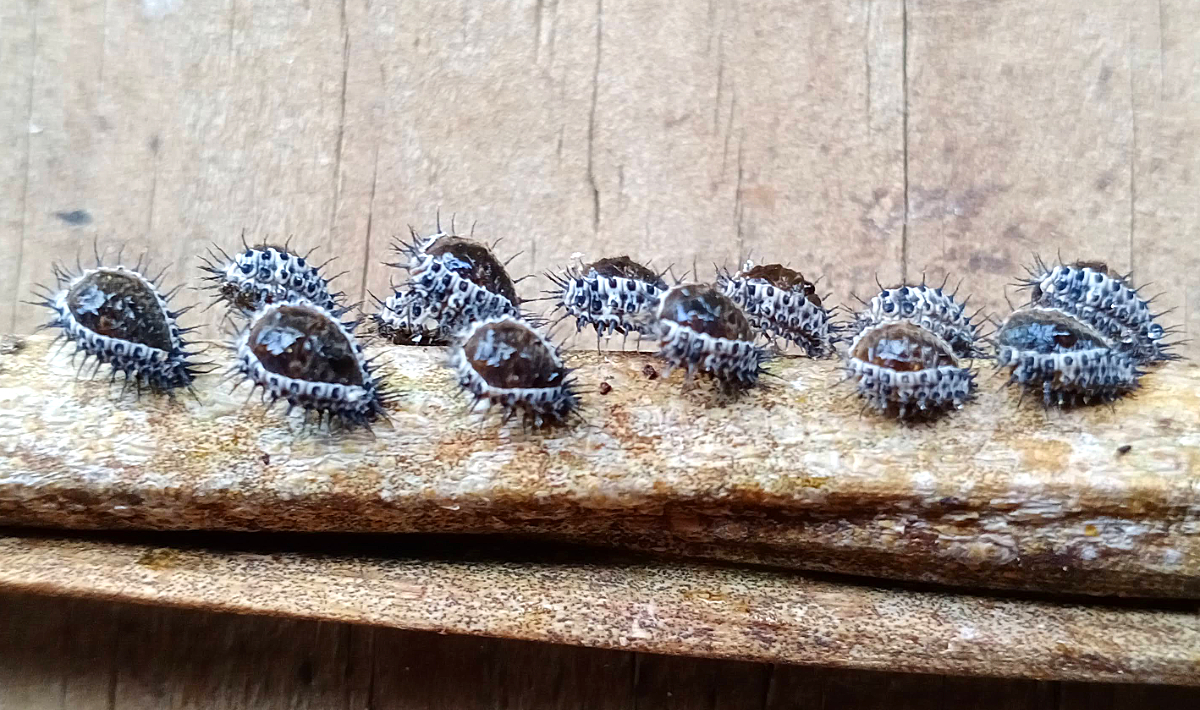
Ladybirds – beasts or beauties?
Working in the garden, it is easy to admire the productivity of nature – and, occasionally, to marvel at its sheer cunning.
-
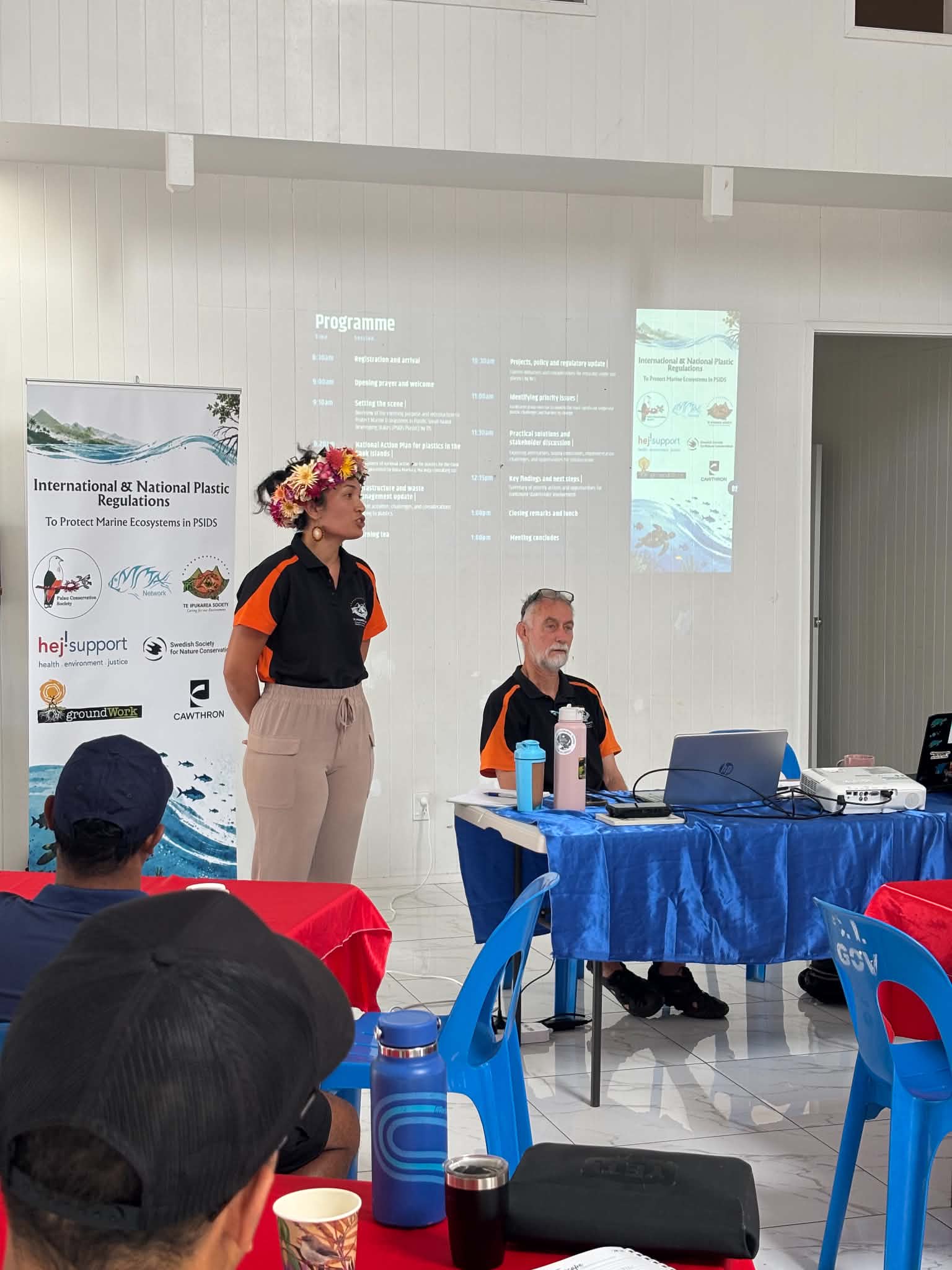
Stakeholders unite to advance practical solutions to plastic pollution
The multi-stakeholder meeting focused on trying to identify practical and coordinated solutions to some of the main sources of plastic pollution in the Cook Islands.
-
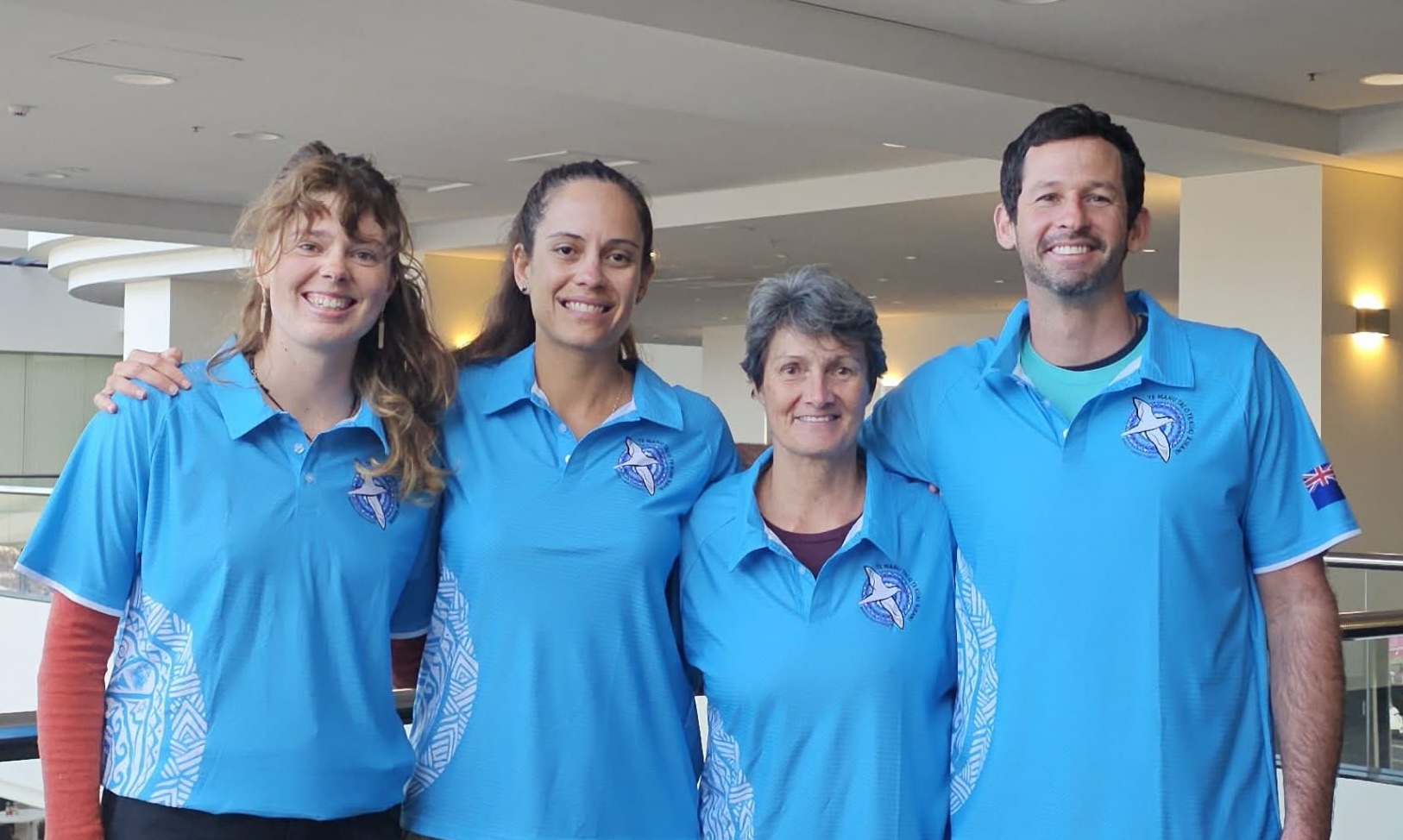
What can we learn from seabird conservation around the pacific?
The World Seabird Conference brings together researchers, conservation organisations, governments and policymakers from around the world to share knowledge and discuss ways to protect seabirds and the oceans they depend…
-
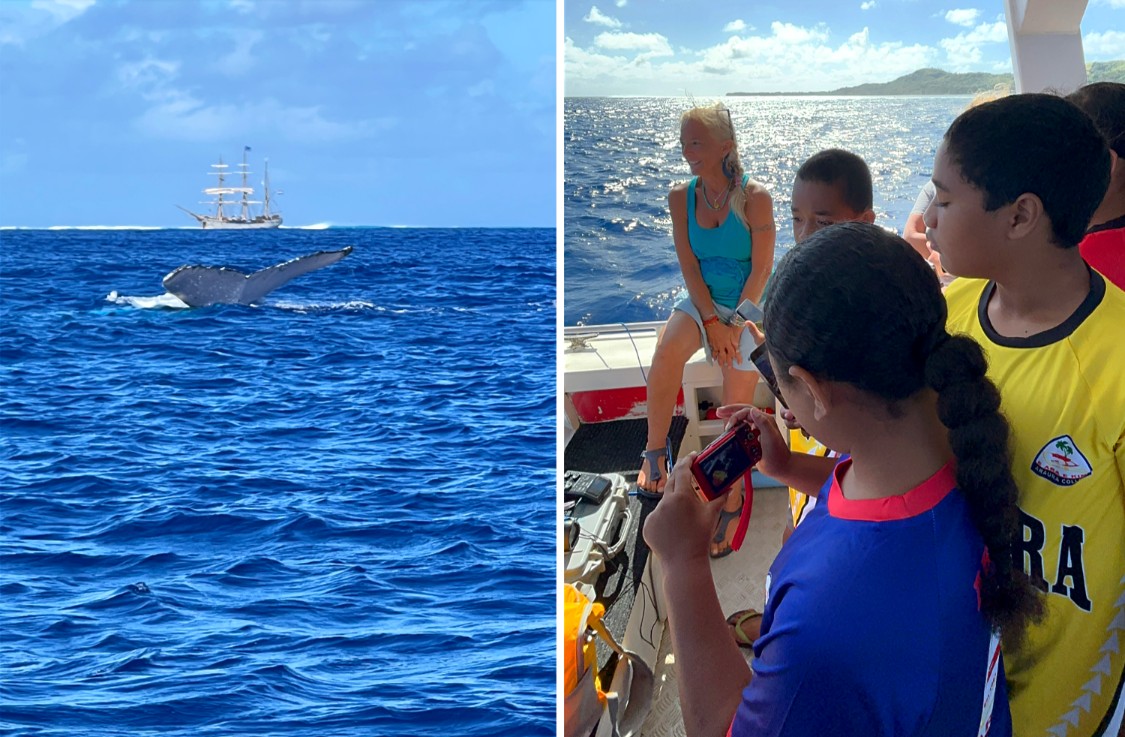
Humpback whales return to the Cook Islands
It is that time of year again when migratory humpback whales return to the warm waters of the Cook Islands.
-
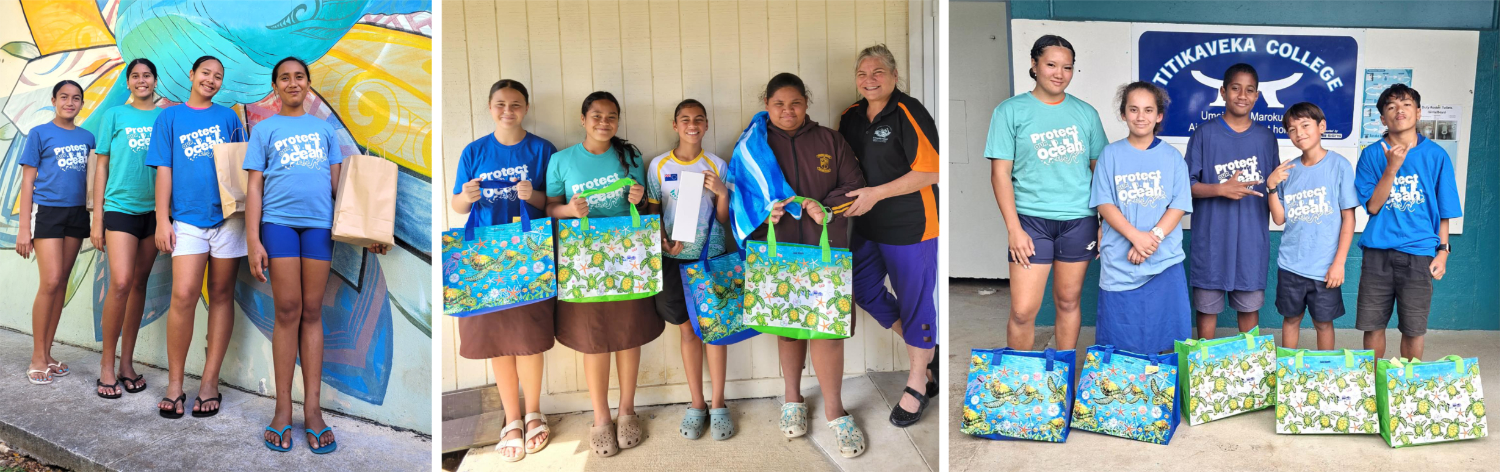
Tere Apii‘anga school competition inspires young minds to reduce plastic
Students participating in Tere Apii‘anga have shown that reducing plastic pollution can begin with creativity, traditional knowledge and, as one young participant memorably suggested, a little “common sense”.
-
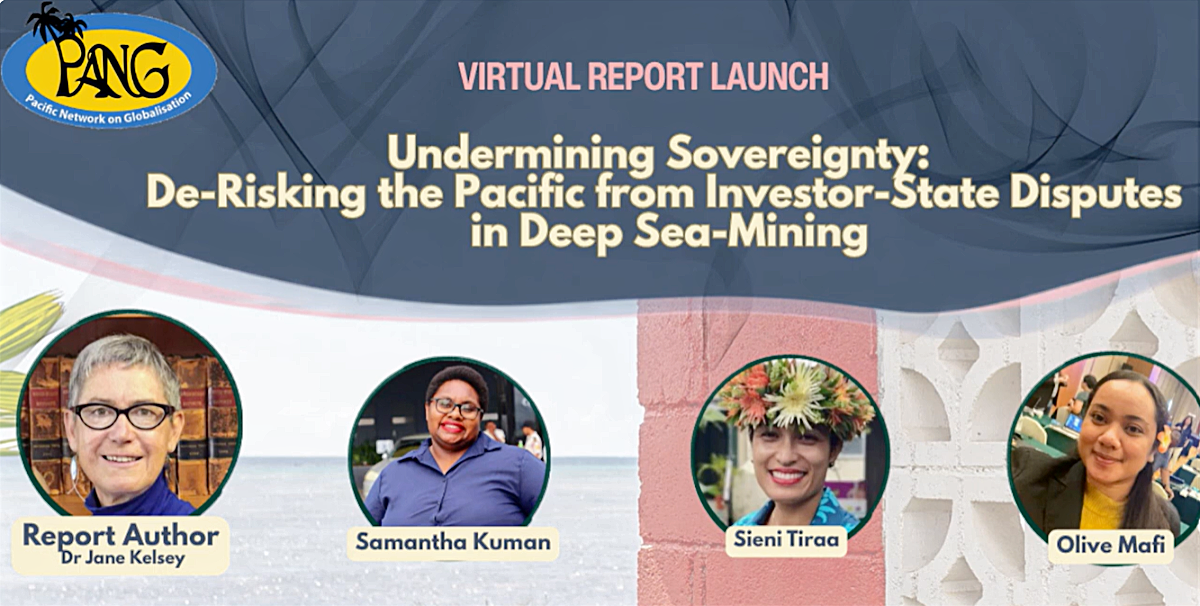
Cook Islands urged to confront investor-state risks linked to deep-seabed mining
The growing presence of United States-based investors and the United States Government in deep-seabed minerals requires greater transparency and public scrutiny in the Cook Islands. The new Pacific Network on…
-
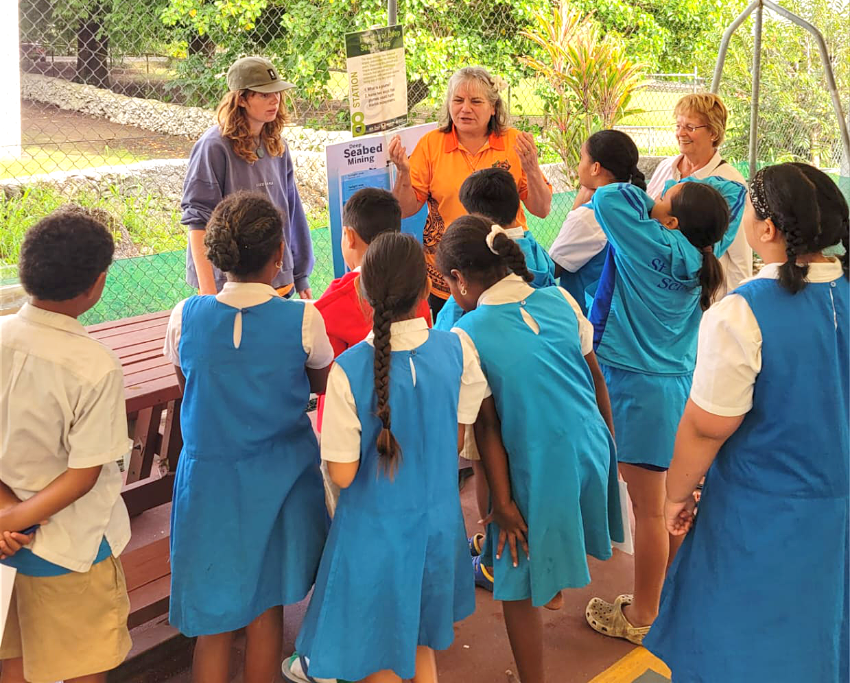
Tere Apii‘anga plants the seeds for a new generation of ocean thinkers
Tere Apii‘anga, meaning “a learning journey”, has brought ocean education to most schools across Rarotonga, encouraging students to explore the connections between a healthy ocean, healthy communities, and the wellbeing…
-
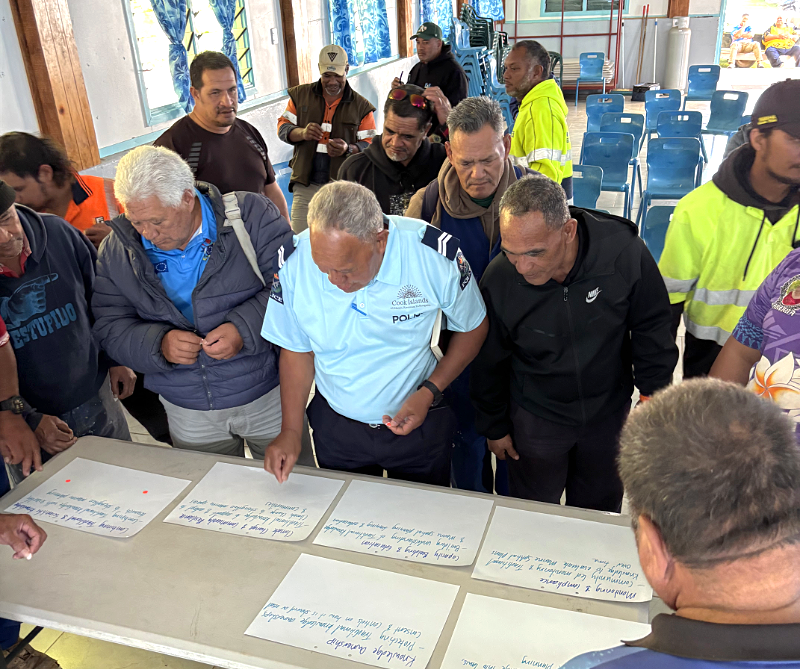
Traditional knowledge and marine spatial planning, can they work together?
Traditional leaders, government agencies, non-government organisations and community representatives have been coming together over recent months to explore how Traditional Knowledge (TK) can help shape the future of Marine Spatial…