

Local articles
-
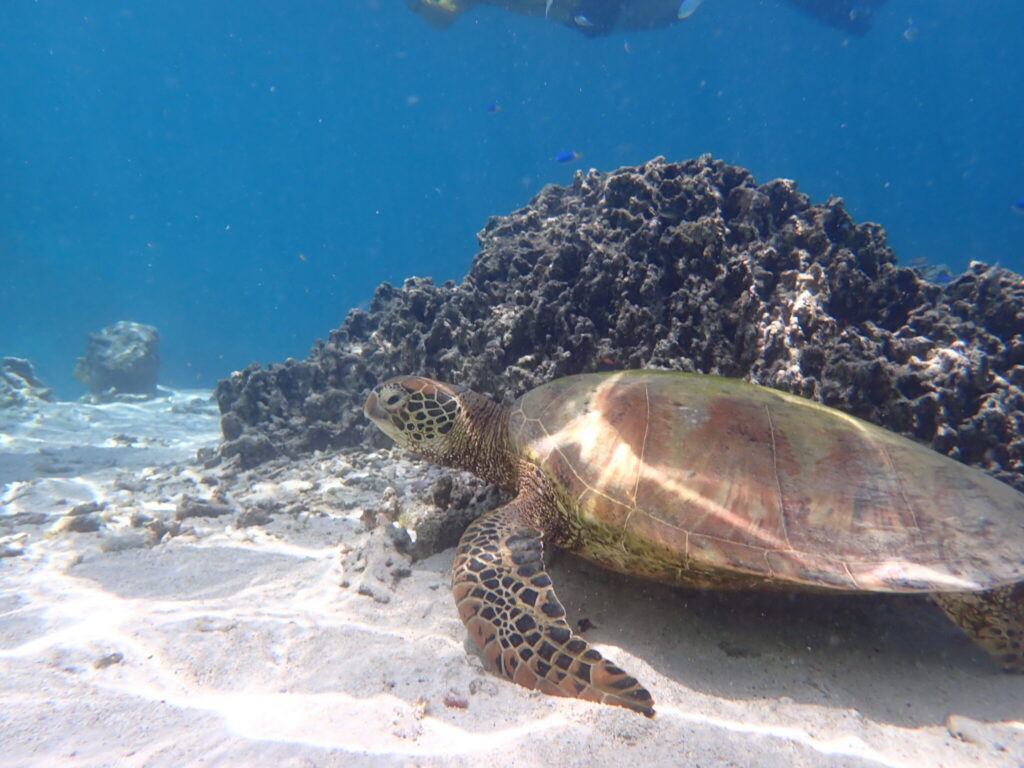
Citizen science to guide turtle conservation
Turtles are an integral part of marine ecosystems, and the Cook Islands are home to a few species, including the…
-
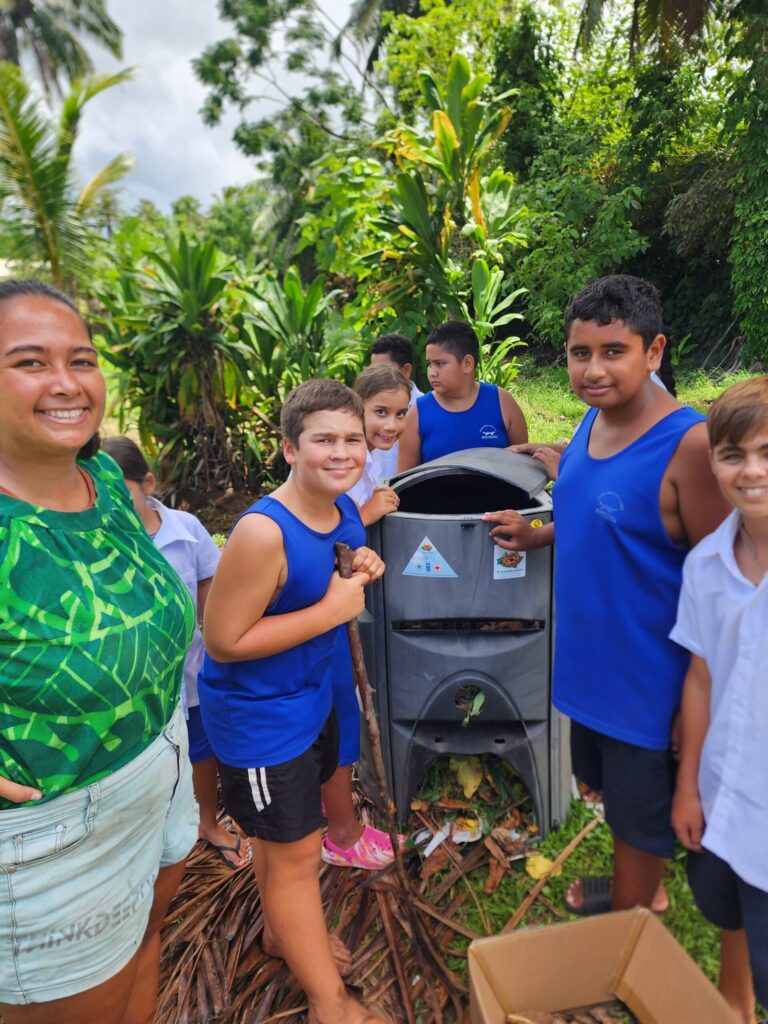
From scraps to soil: Getting the Dirt on Composting
Earlier on in the week Te Ipukarea Society worked closely with the enthusiastic year 7 and 8 students from Titikaveka…
-
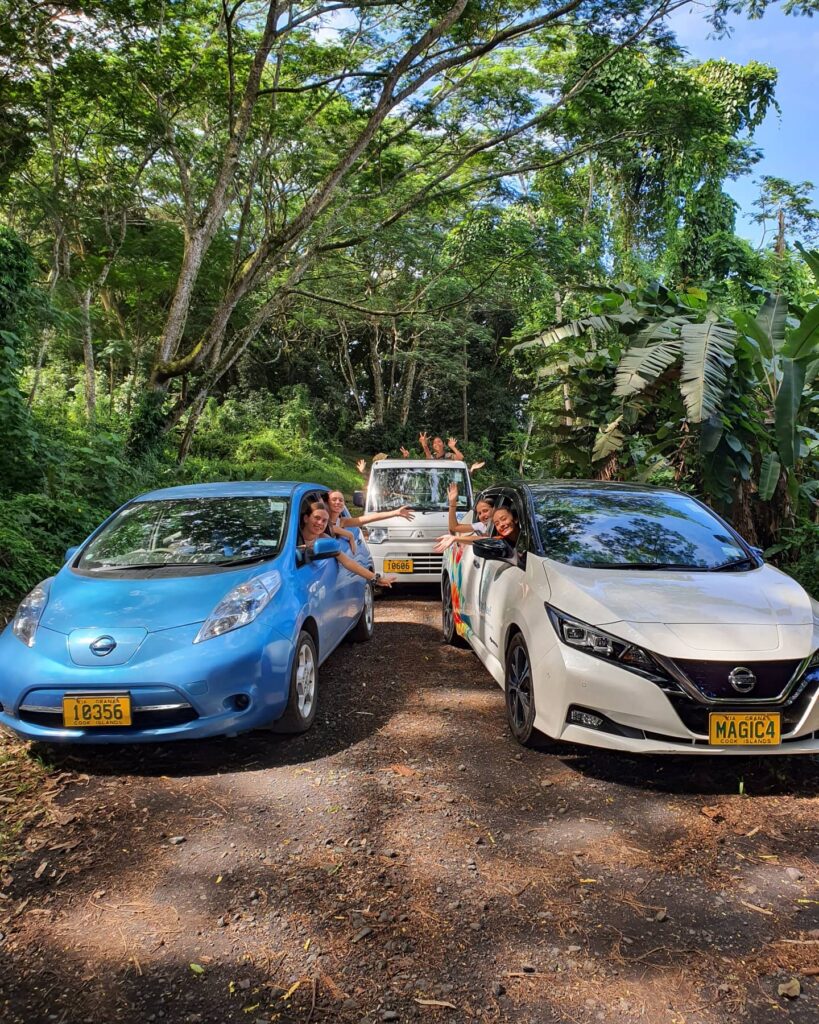
Greener batteries for a cleaner future in electric vehicles: Why we do not need to destroy our seabed
As innovative technology starts to rev up around the globe so does innovative tech for the Electric Car (EV) Industry.…
-

Chinese rose beetle, a nocturnal pest
This week’s article is an expansion on an earlier “Bug of the Week” post informed by Mike Bowie’s who was…
-
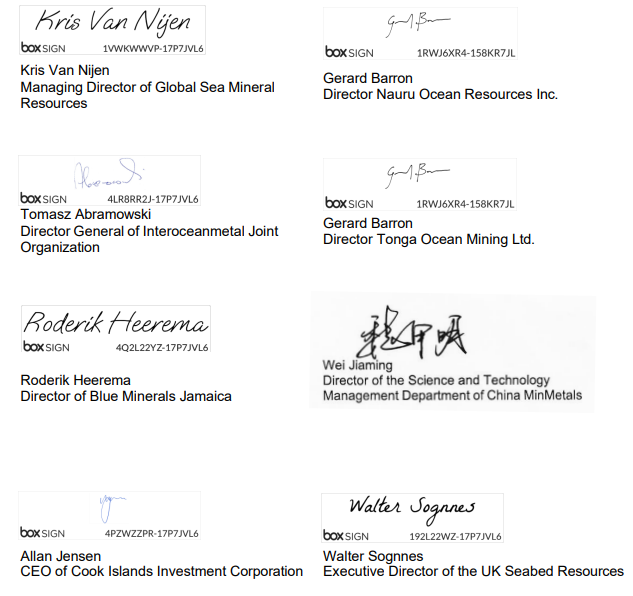
Profit over planet: The unseen cost of deep-seabed mining
Last week a group of eight deep seabed mining companies with exploration contracts in the Clarion Clipperton Zone (CCZ) sent…
-
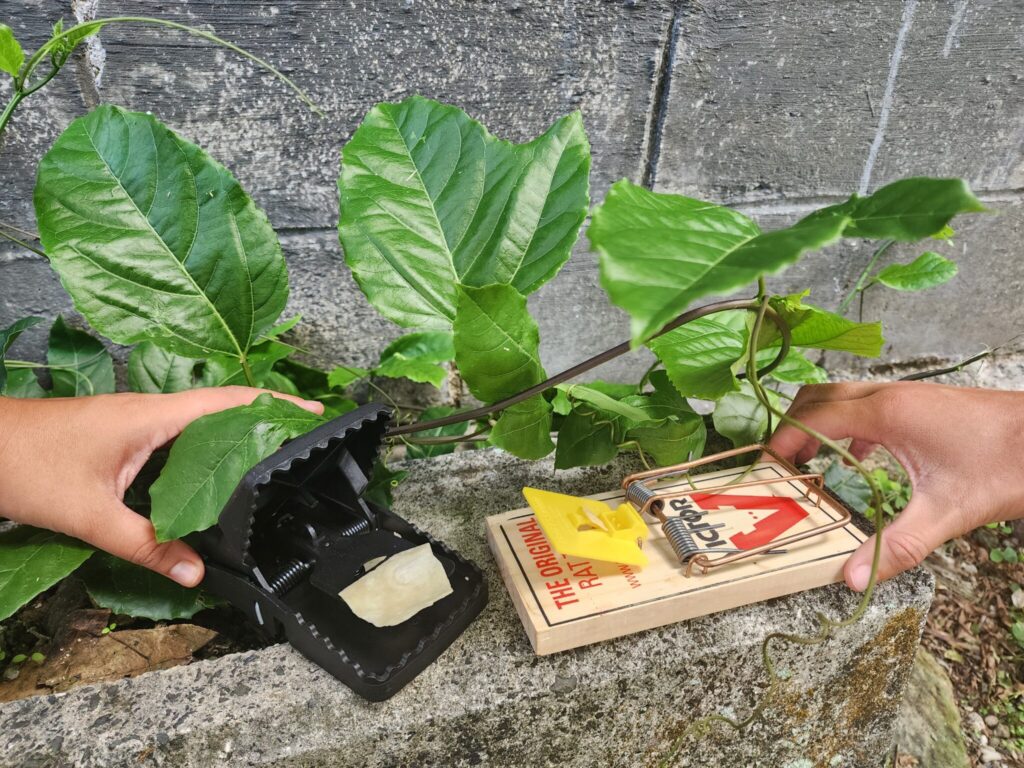
Less rats, more wildlife
One of the best ways to help native birds and wildlife is by trapping invasive rats in your backyard. As…
-
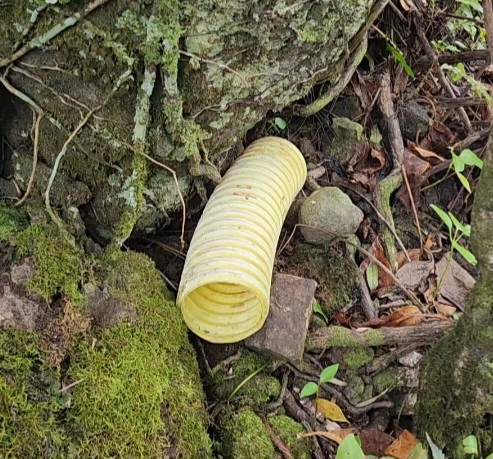
Restoring balance: How removing rats can protect Cook Islands nativevegetation and wildlife
From birds to plants, invasive rats have wreaked havoc on island ecosystems worldwide, and the Cook Islands are no exception.…
-
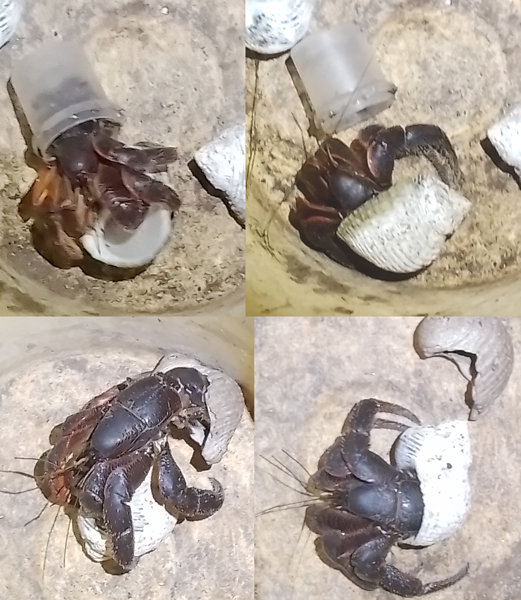
House moving, unga style
Many islands are running short on hermit crab homes. Poor unga (hermit crabs) turn up at our door in all…
-
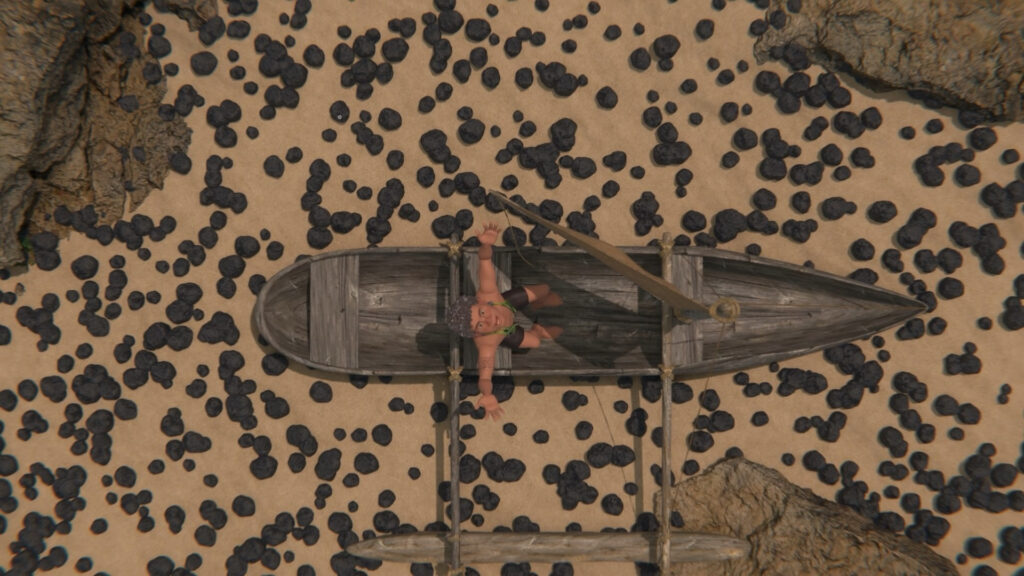
Nodule mining, a voyage to ??
Today’s article is contributed by Te Ipukarea President, and Ocean Ancestors advocate, June Hosking, currently living in Mauke. At home…
-
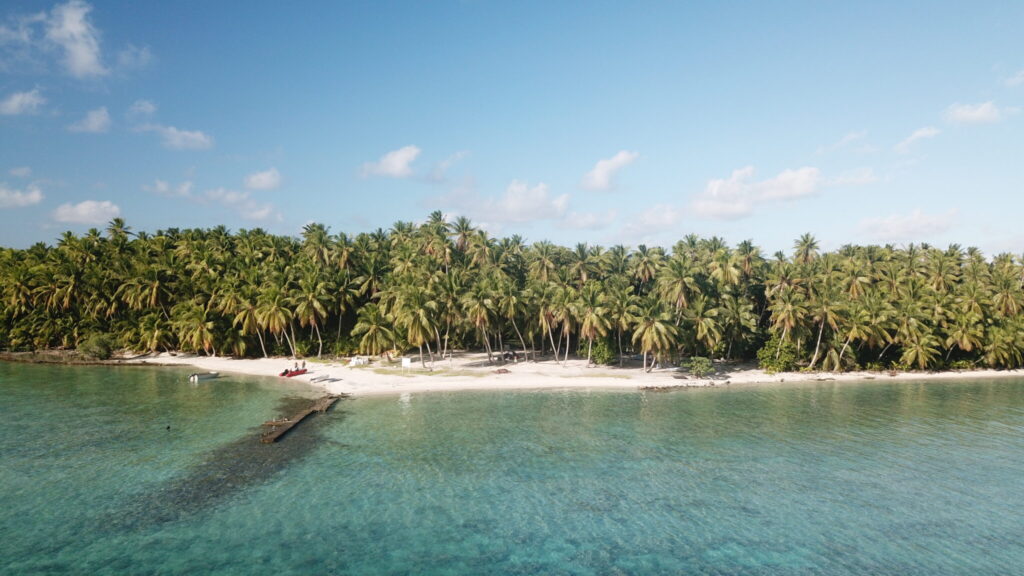
Coconut trees, too much of a good thing
Coconut trees, too much of a good thing Coconut trees are often called the “Tree of Life” in the Cook…
-
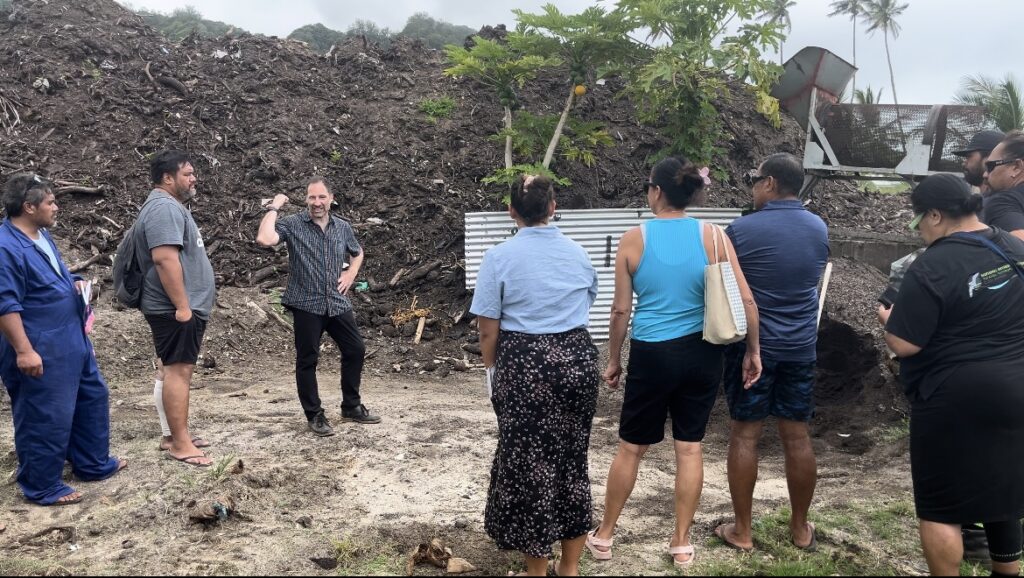
Getting the dirt on composting
Getting the dirt on composting On Friday 6th December, Te Ipukarea Society took part in a hands-on composting workshop hosted…
-
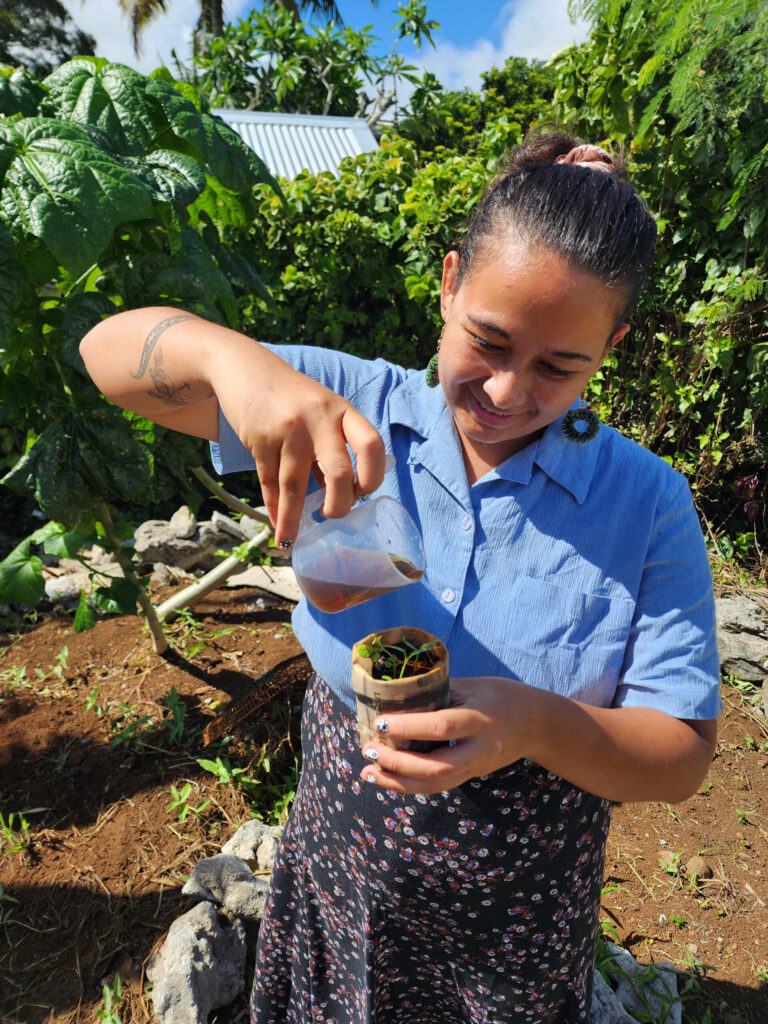
Worm farming. A fun composting process
Worm farming’, a fun composting process Did you know, the presence of worms in your garden is a sign of…