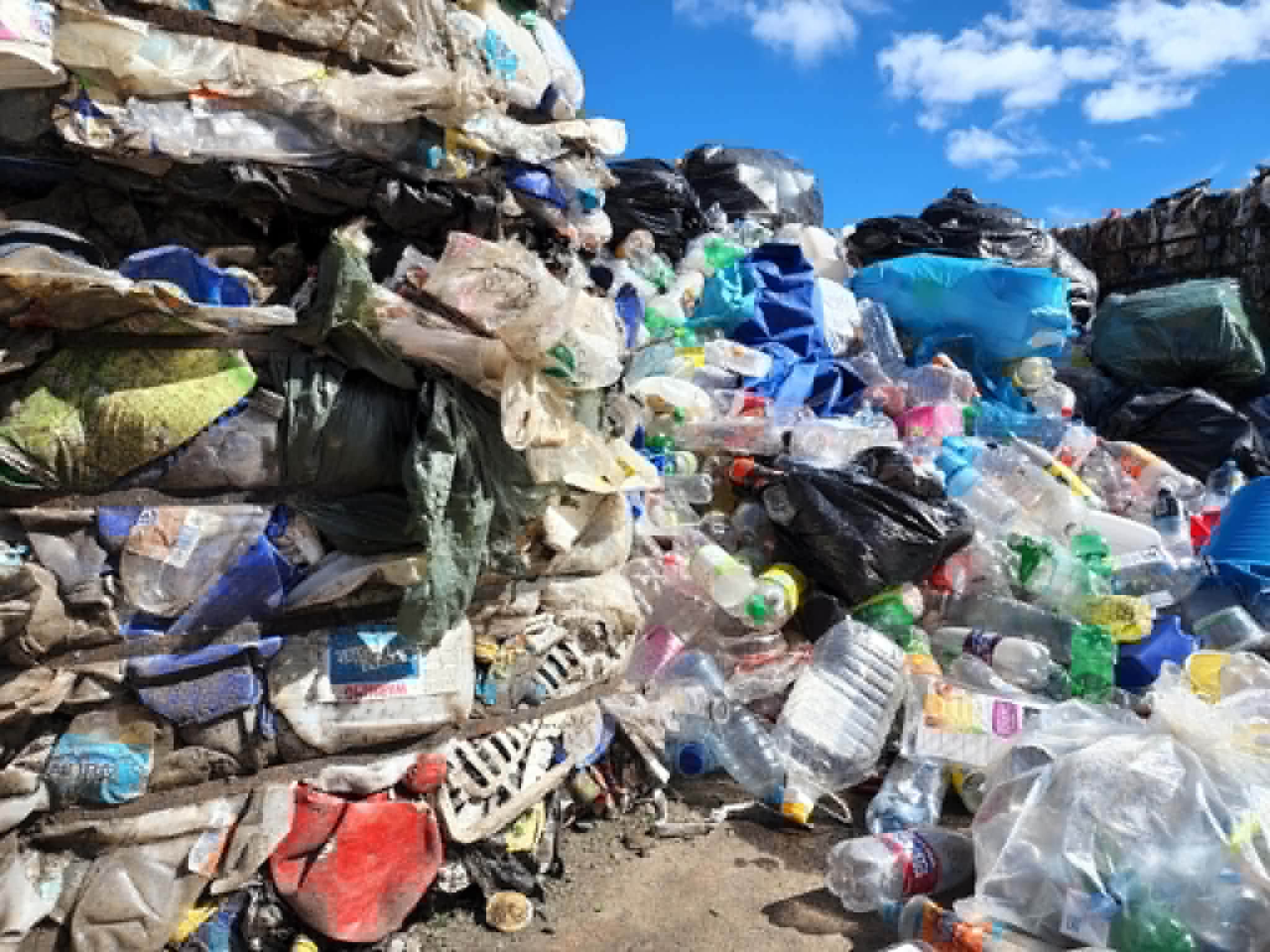
For Rarotonga and the Pa Enua, waste pressure is real. Imported goods, tourism, limited land, and growing packaging volumes have changed the waste stream significantly over the past 50 years. Plastics are now highly visible: bottles, food containers, soft packaging, bags, and mixed household plastics take up space and can escape into streams, beaches, lagoons, and the ocean. It is understandable that burning can appear attractive. It promises to make waste “disappear,” reduce landfill volume, and perhaps generate energy. But for small island communities with small and dispersed populations, incinerators are usually not the best answer.
The first problem is scale. Modern waste incinerators are complex industrial facilities that must run at high, consistent temperatures with advanced pollution controls. They need a steady supply of suitable waste, trained operators, maintenance, spare parts, monitoring. Rarotonga’s waste stream is significant locally, but small compared with the volumes that make incinerators economic in large cities. The Pa Enua produce even less waste. An incinerator facility sized for a small population can become expensive per tonne, while a large can create pressure to keep feeding it burnable material. We understand Mangaia and Mauke have both received incinerators in the past, but these have had minimal use. We need to better understand the issues with these.
That pressure is particularly risky where plastics are common. Plastics burn readily, but they are also materials that should be reduced, reused, recycled, or designed out of the system where possible. If an island invests heavily in incineration, it can lock itself into needing a constant stream of plastic waste for decades to justify the cost. This works against zero-waste and circular-economy goals by treating plastic as fuel rather than a problem to prevent coming into the country in the first place.
Incineration also brings pollution risks as burning mixed waste can produce dioxins, furans, acid gases, heavy metals, fine particles, and greenhouse gases. Pollution-control systems reduce these emissions only if they are properly designed, operated, monitored, and maintained. The leftover bottom ash and fly ash can contain concentrated contaminants, and where will these toxins end up going?
Imported technology that depends on specialist parts, overseas technicians, chemicals, and continuous monitoring has built in vulnerability. If an incinerator breaks down, waste can quickly build up; if it is operated poorly, communities may face health and environmental risks. Smaller islands need systems that are affordable, repairable, and suited to local capacity, not new technical dependencies.
Pyrolysis is sometimes promoted as a cleaner alternative because it heats plastics with little or no oxygen to produce oils, gases, or waxes. In an island situation, however, it raises many of the same concerns as incineration. It needs consistent, well-sorted plastic feedstock, reliable energy, technical expertise, safe storage of oils and residues, and markets or uses for the outputs. Mixed, dirty, wet, or contaminated plastics reduce performance and can create hazardous by-products. If the oil or gas is later burned, the process still releases fossil carbon and may simply shift pollution elsewhere. The Global Alliance for Incinerator Alternatives (GAIA, no-burn.org) has warned that many “chemical recycling” and plastic-to-fuel proposals, including pyrolysis, can distract from reducing plastic production and improving reuse, refill, separation, and true recycling systems.
A better approach is to reduce the amount of waste needing final disposal. This is the direction promoted by GAIA, whose Zero Waste Islands work supports source separation, local resource recovery, organics management, producer accountability, and community-led systems rather than expensive burn technologies. Organic waste should be kept out of landfill through household, community, and commercial composting, because food and green waste are heavy, wet, and unsuitable for efficient burning. Fortunately here in the Cook Islands we feed a lot of organic waste to our animals. Recyclables should be separated, cleaned and compacted for export where markets exist. This has started at the landfill, where some plastic soft drink bottles are being compacted for export. Container deposit systems, advance recovery fees, and restrictions on unnecessary single-use plastics can shift costs away from government and back toward importers, retailers, and consumers. While we have started some of this here in the Cook Islands, under the recently passed Solid and Hazardous Waste Management Act, there is a lot more that can be done
For plastics that cannot currently be recycled, the priority should be honest sorting, data collection, import controls, and regional solutions. The Cook Islands can identify the most problematic plastic types, restrict or phase out those with no realistic recovery pathway, and support alternatives that are reusable, refillable, compostable in local conditions, or genuinely recyclable. For the waste that remains, improving landfill management, leachate control, litter prevention, and hazardous-waste separation may be less glamorous than an incinerator, but it is safer and more dependable.
Incineration can look like a quick fix, but for the Cook Islands it risks becoming an expensive distraction. The real challenge is not simply how to get rid of waste after it arrives; it is how to stop so much waste arriving, recover what can be used, compost what can return to the soil, and safely manage only the small remainder. For small island communities with limited land, fragile lagoons, small budgets, and a strong dependence on a clean environment, prevention and recovery are better long-term investments than burning.